
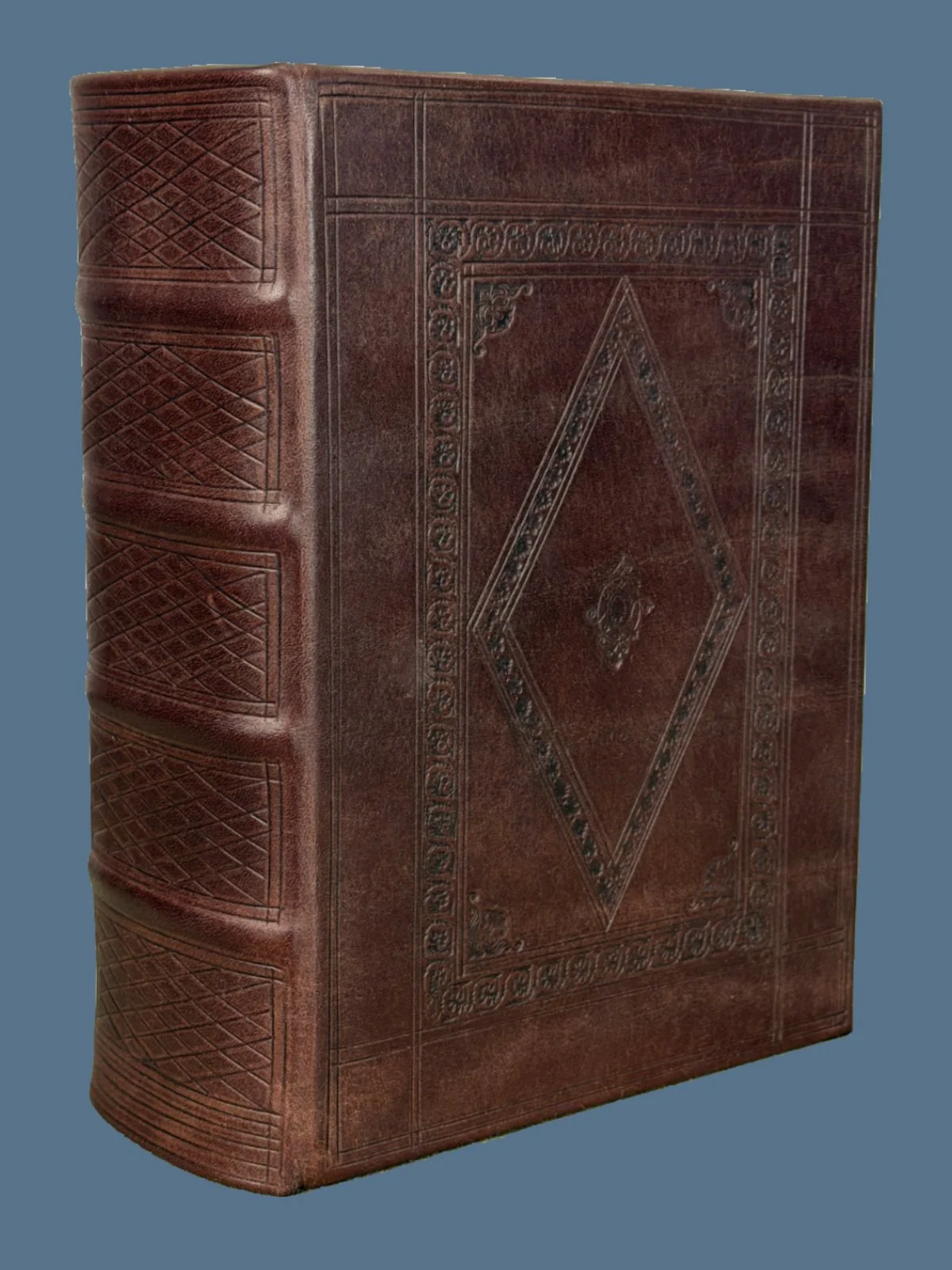
 Image 1 of 25
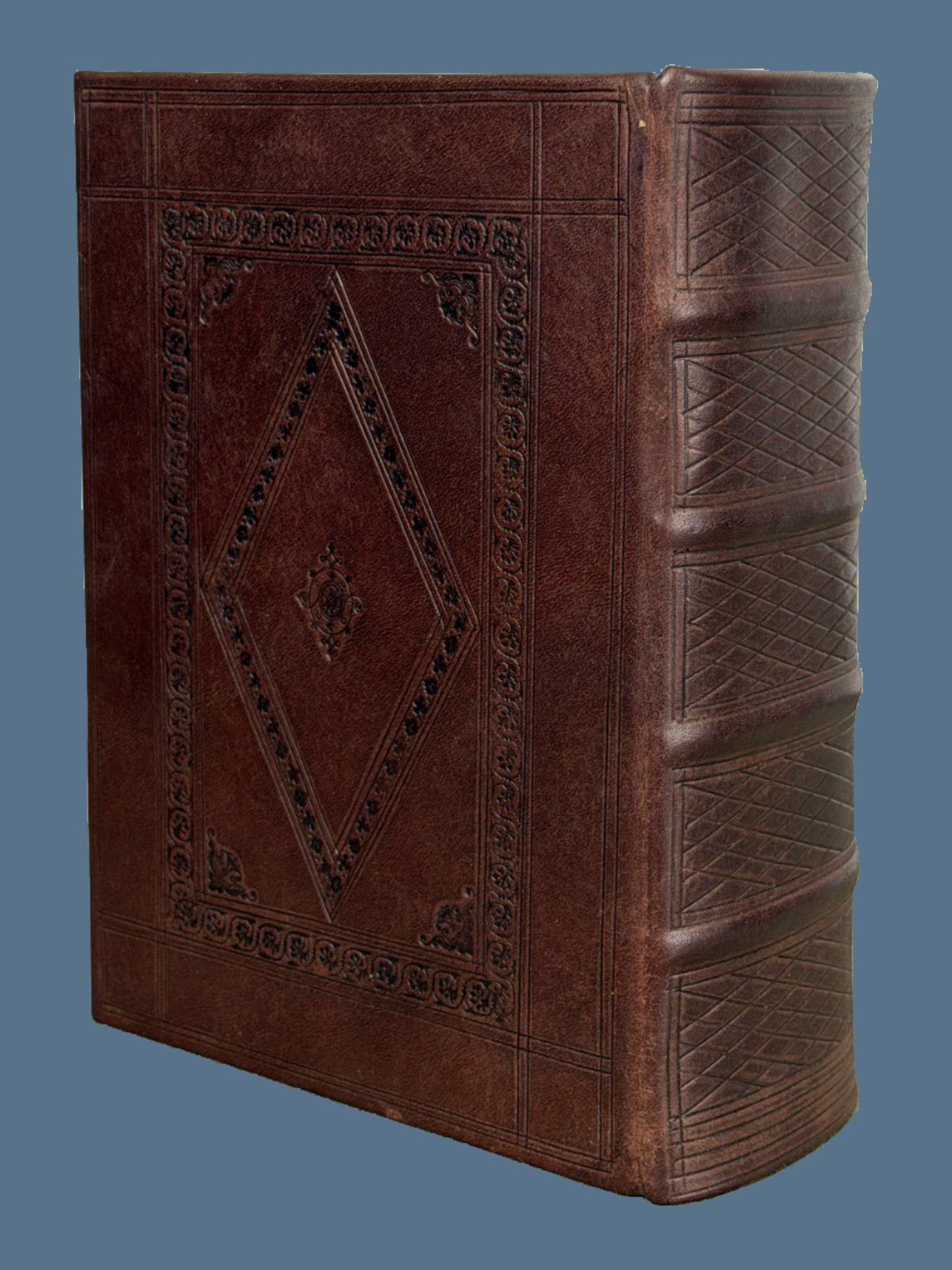 Image 2 of 25
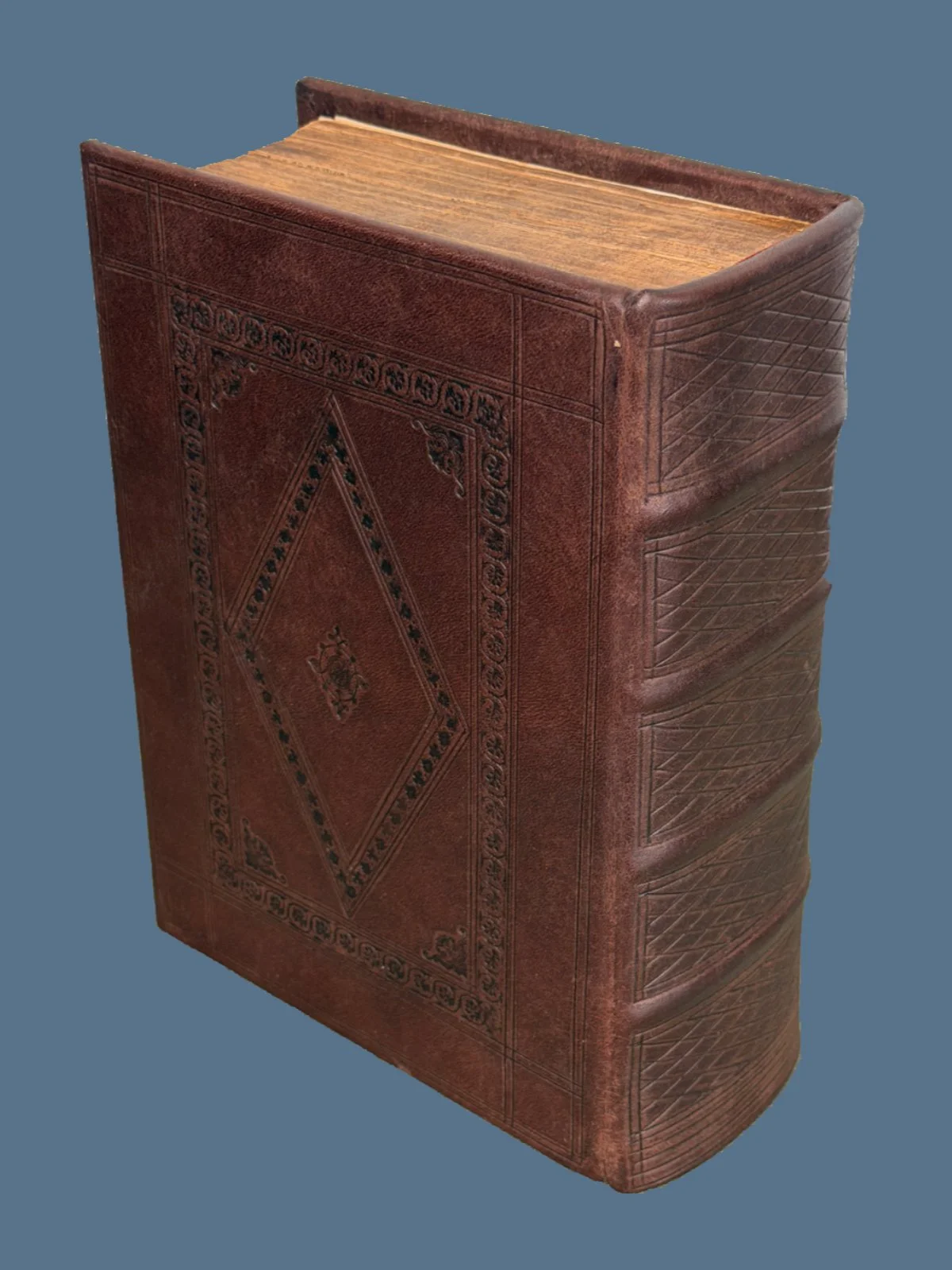 Image 3 of 25
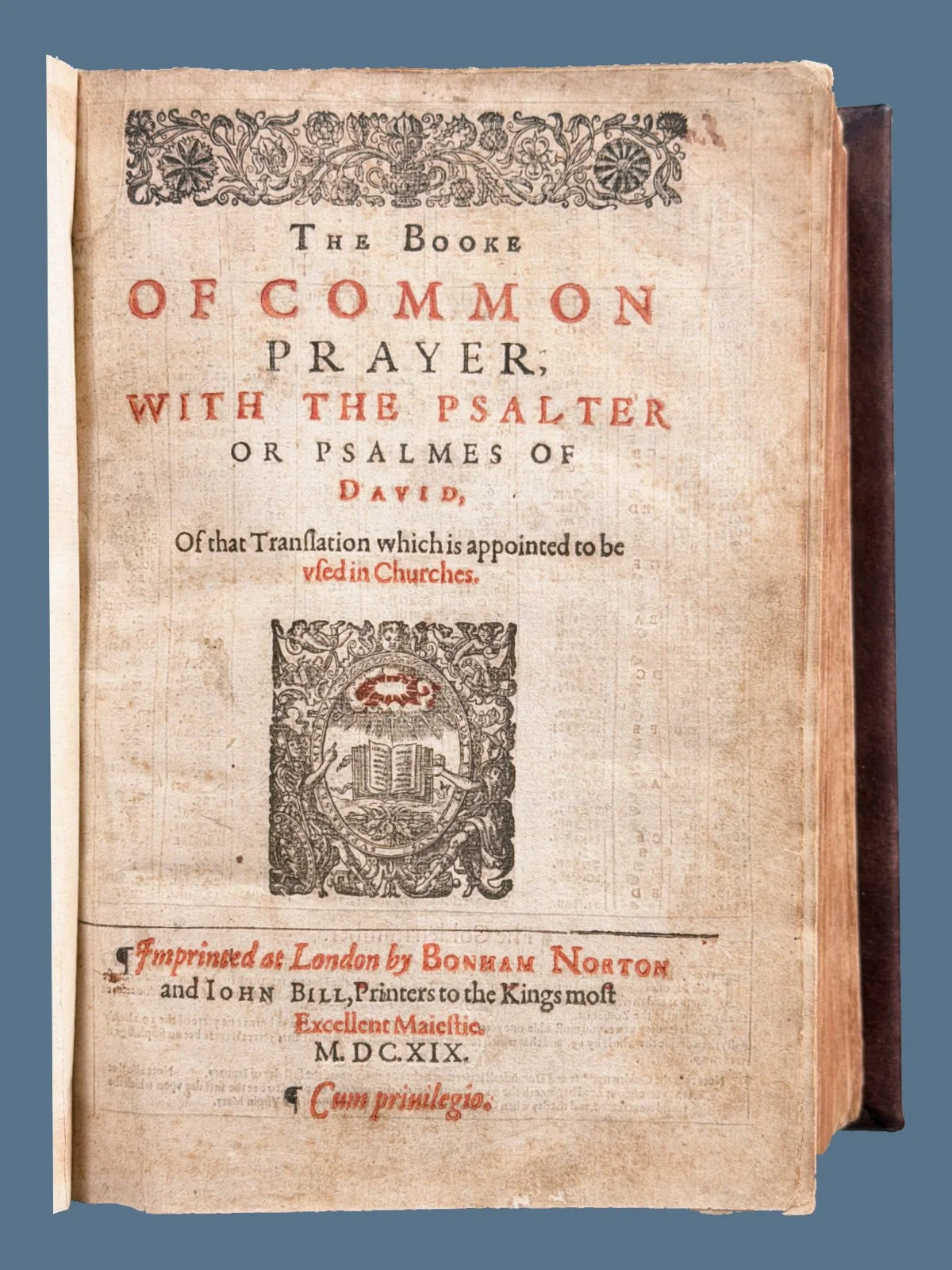 Image 4 of 25
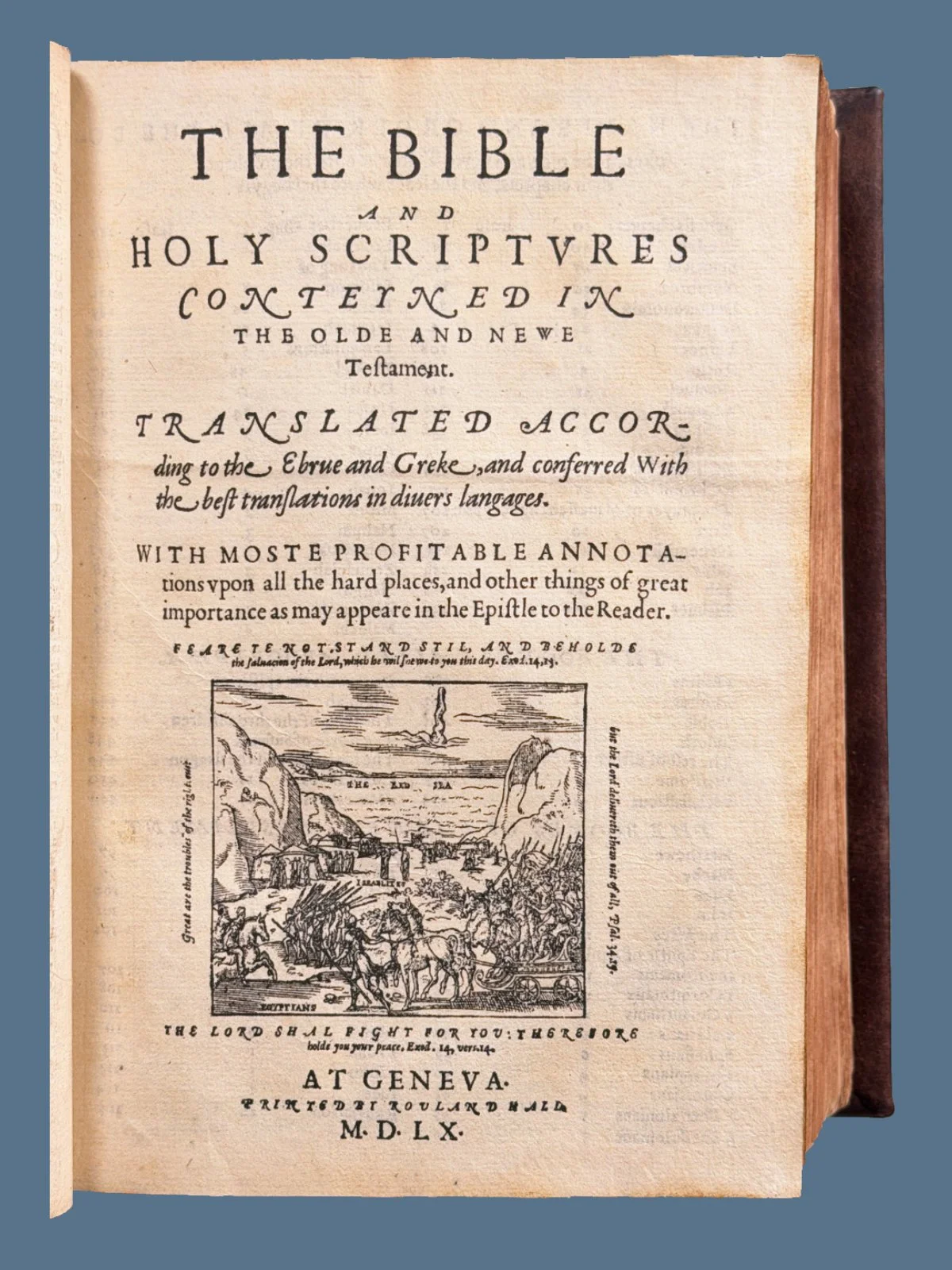 Image 5 of 25
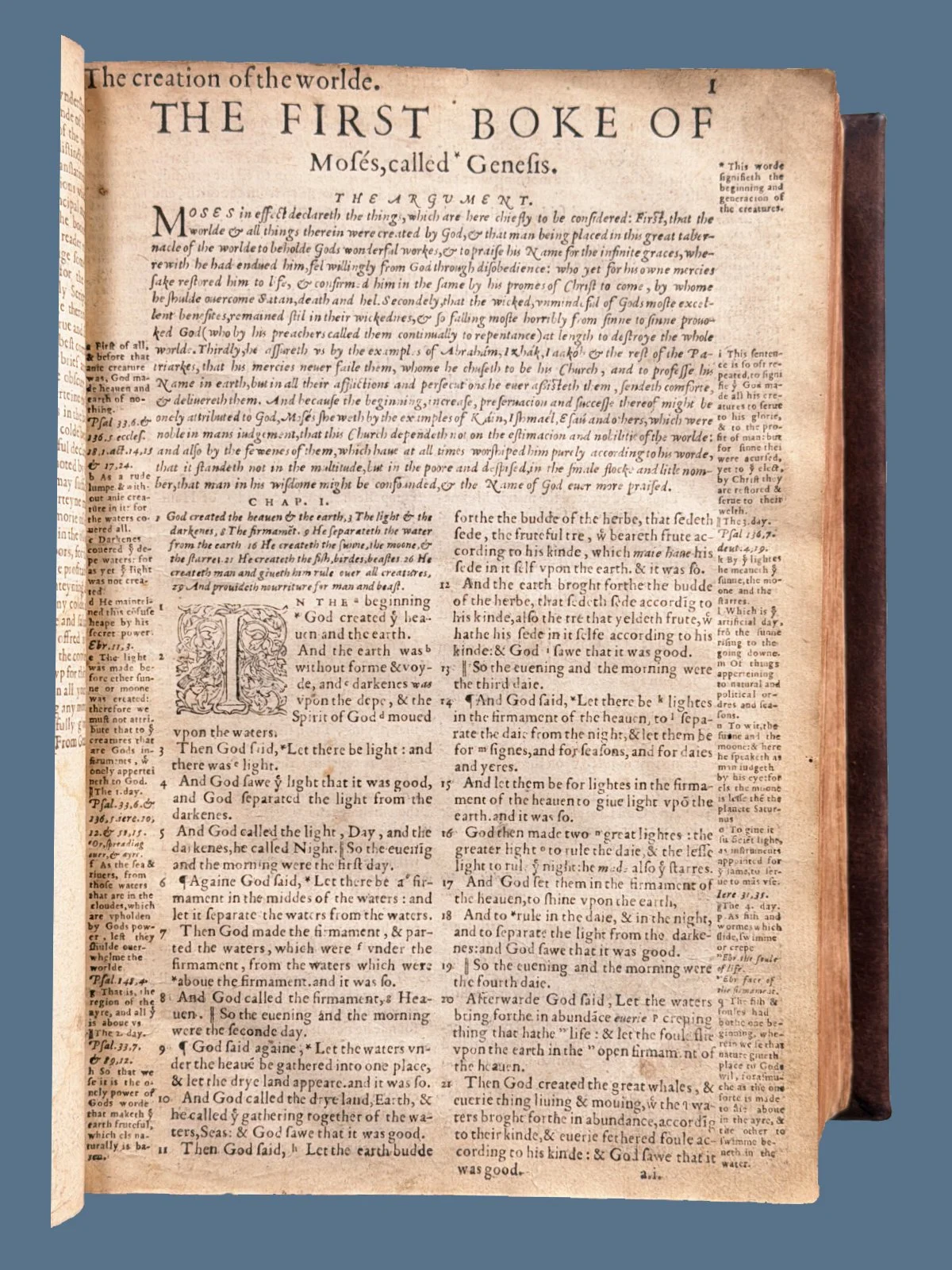 Image 6 of 25
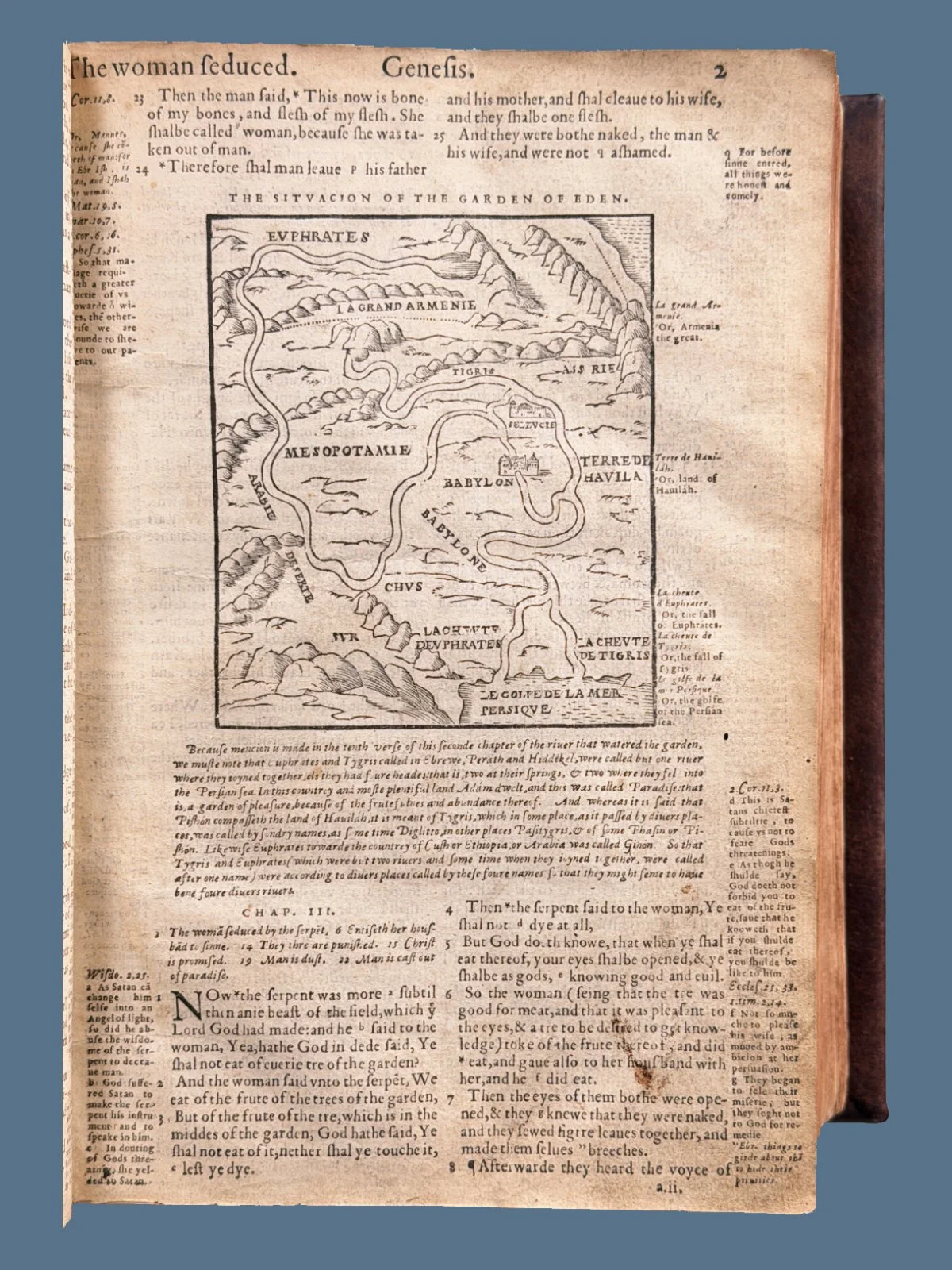 Image 7 of 25
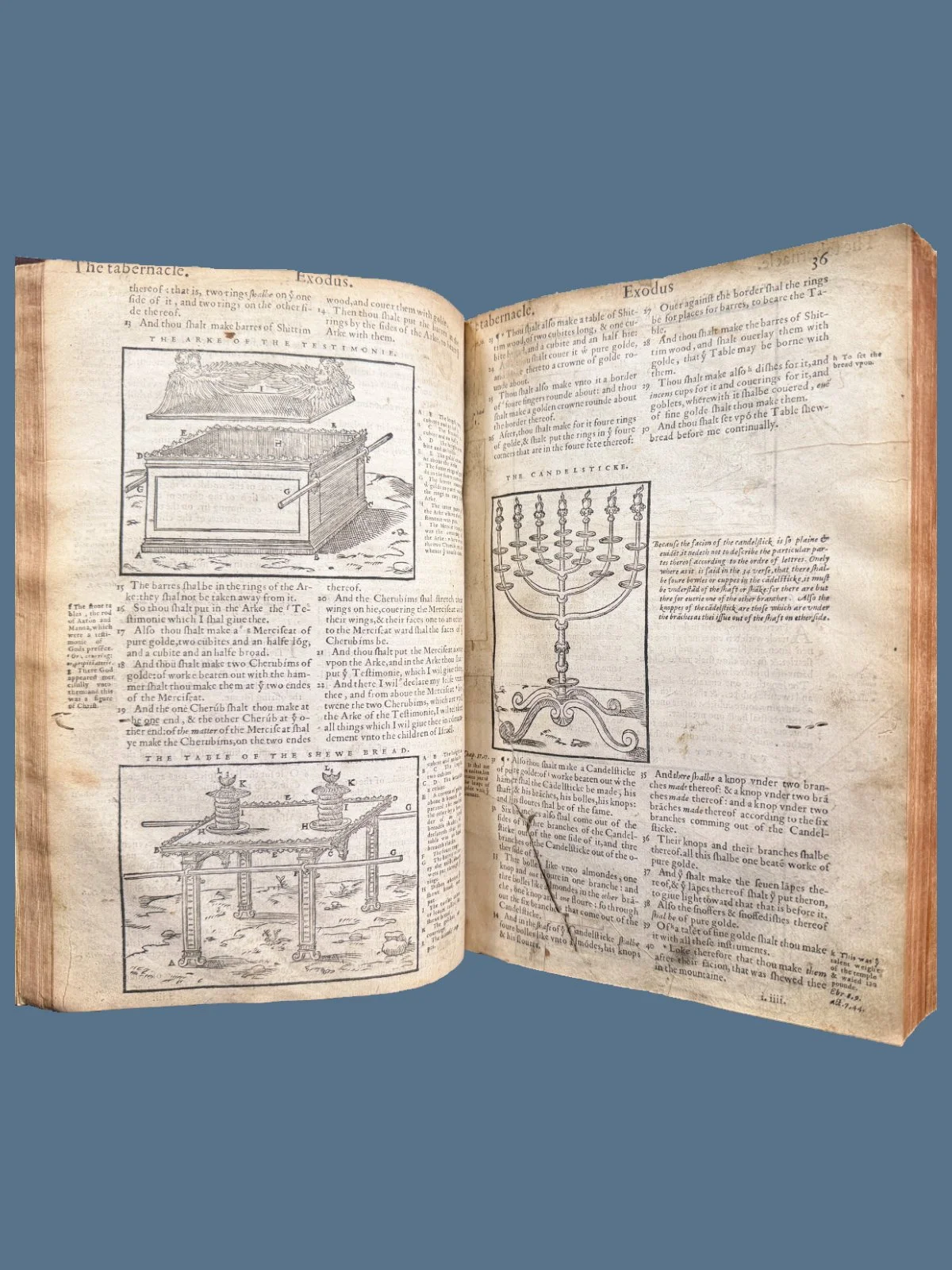 Image 8 of 25
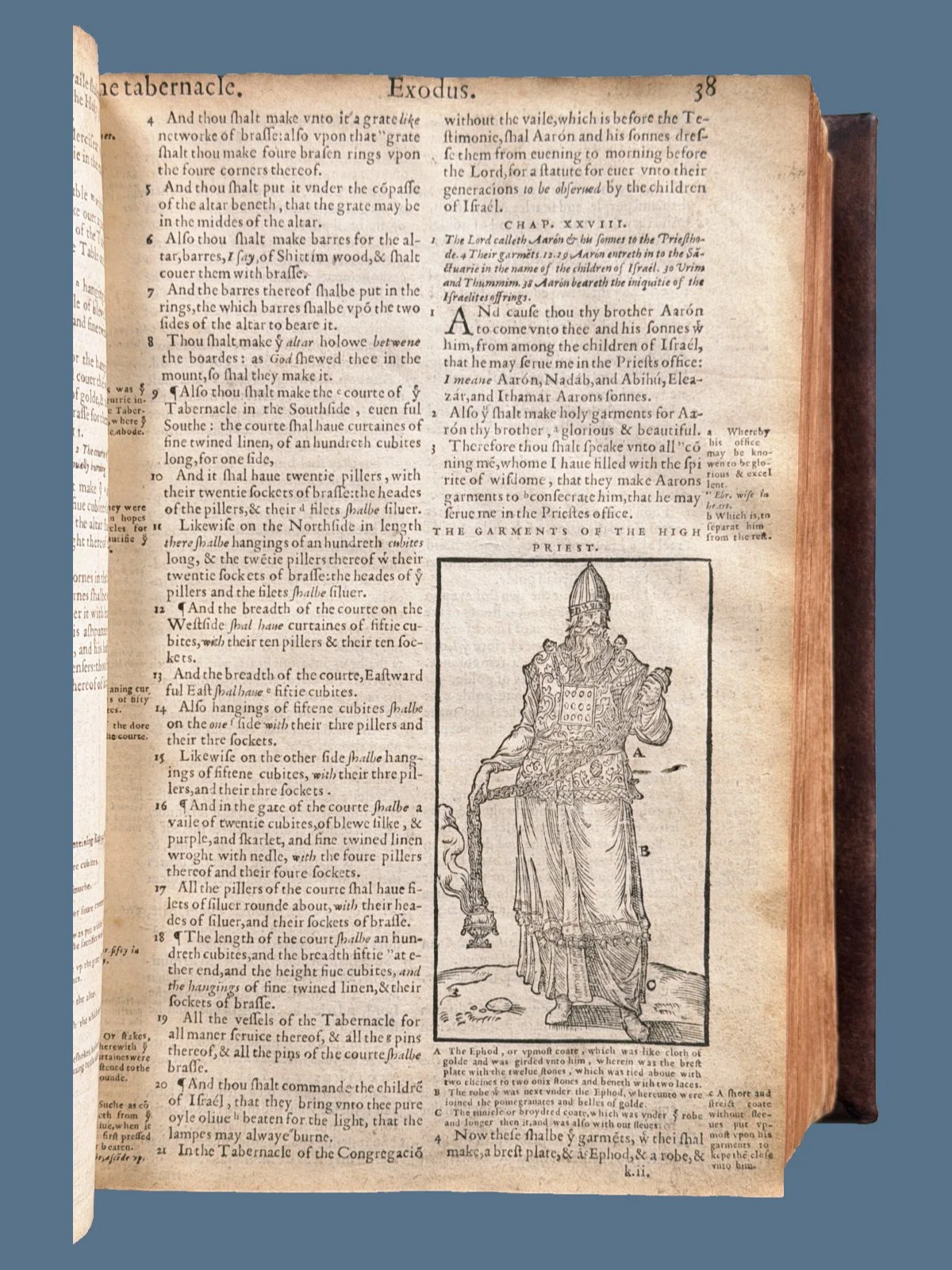 Image 9 of 25
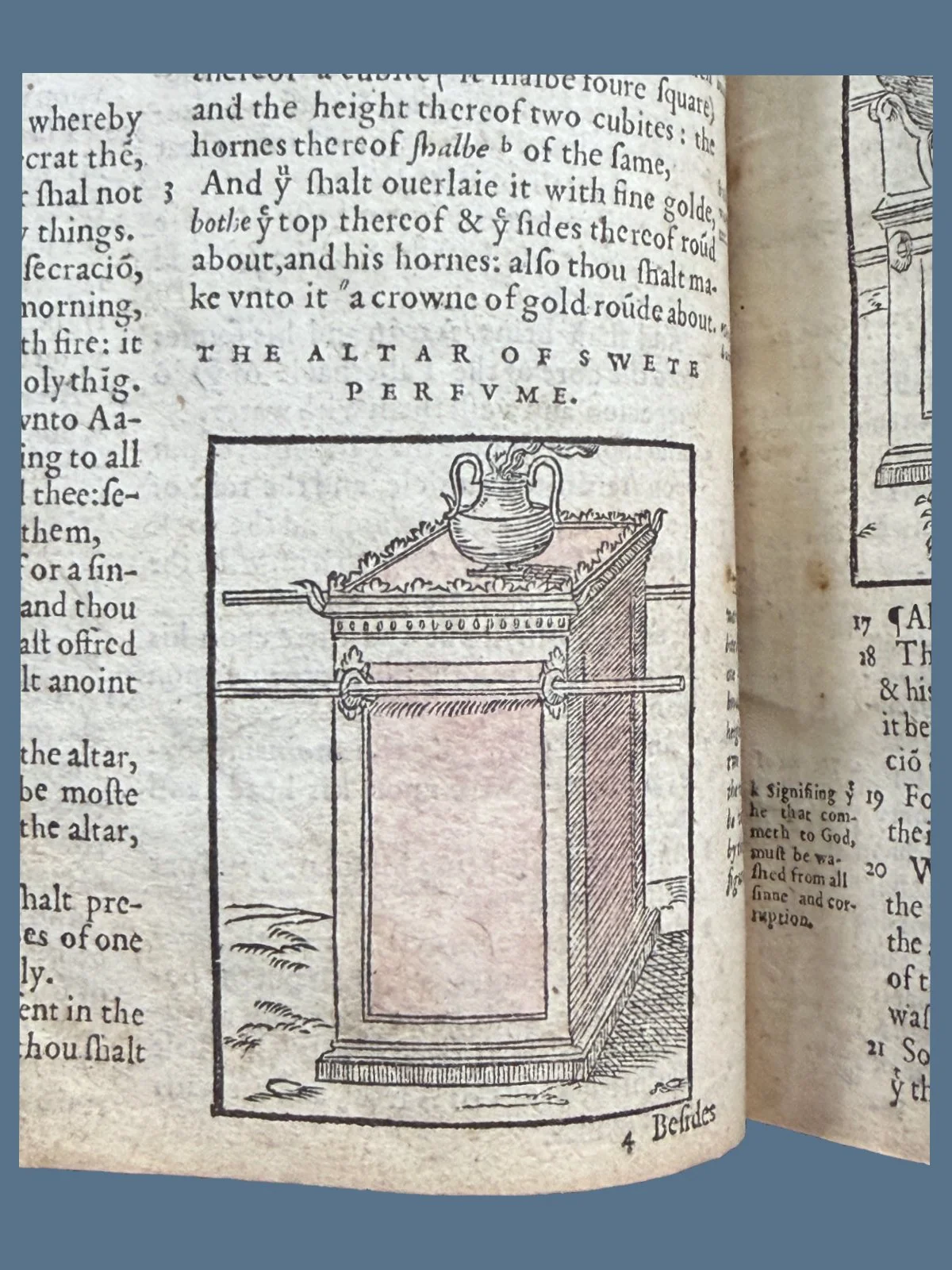 Image 10 of 25
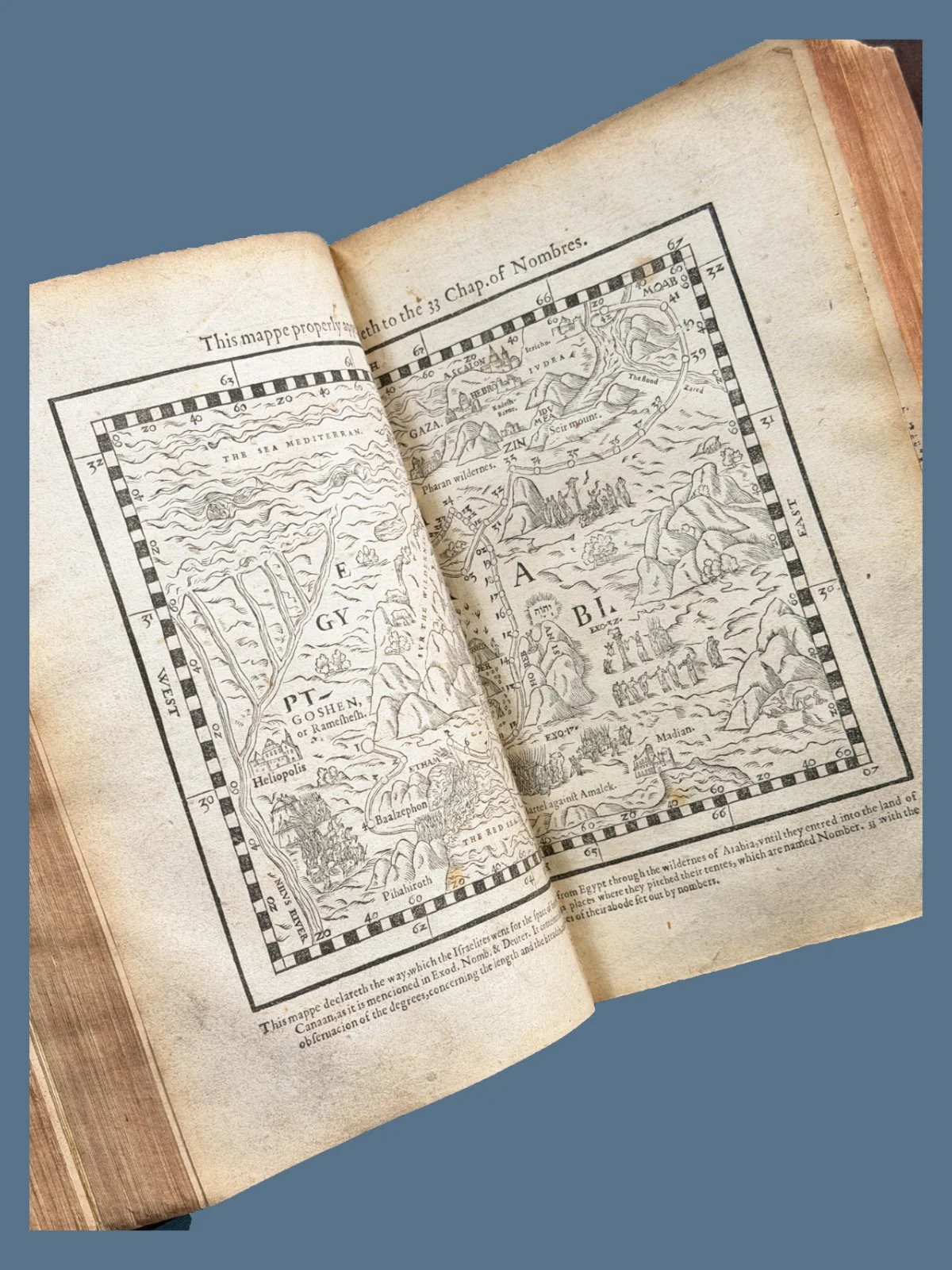 Image 11 of 25
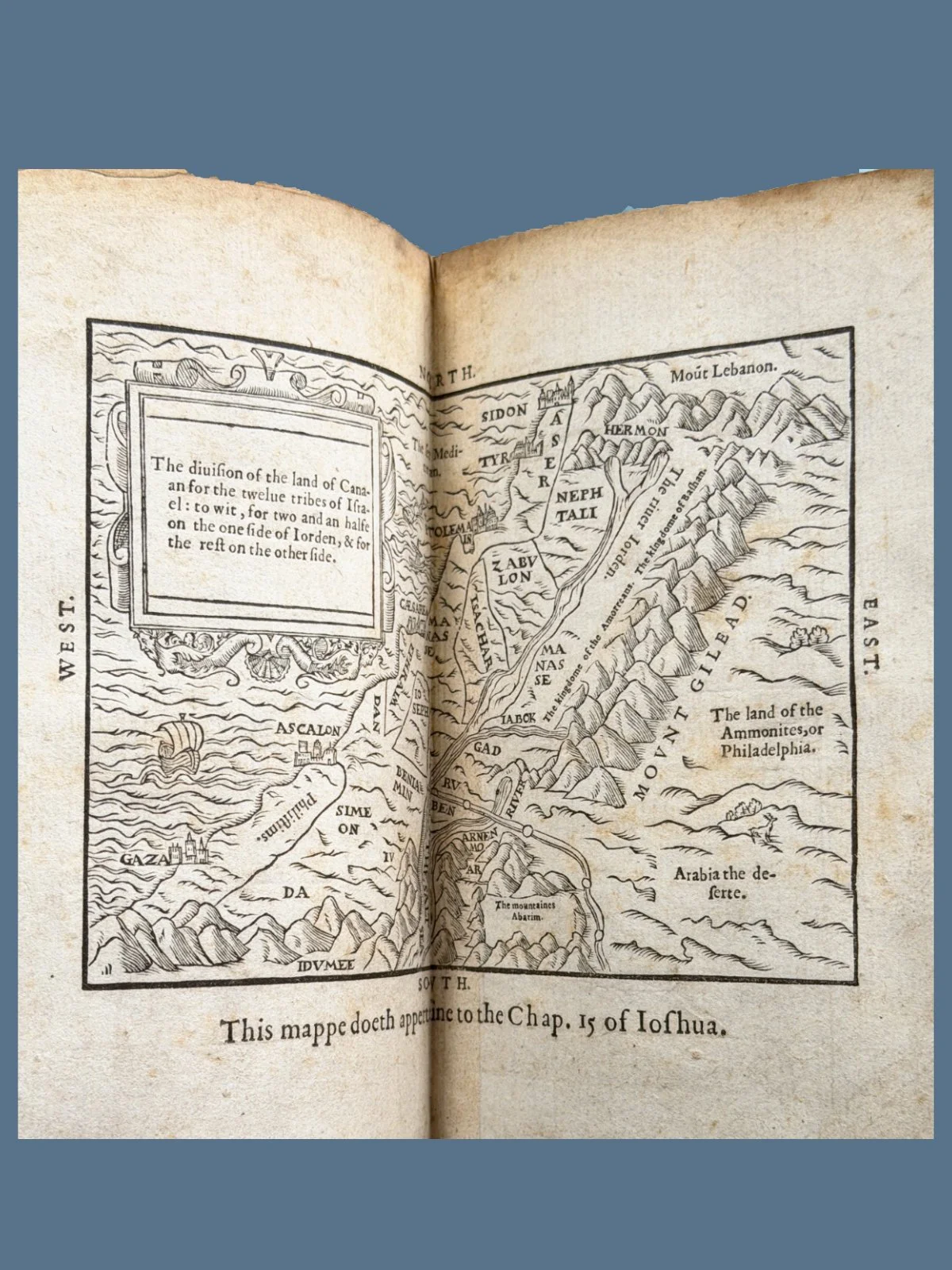 Image 12 of 25
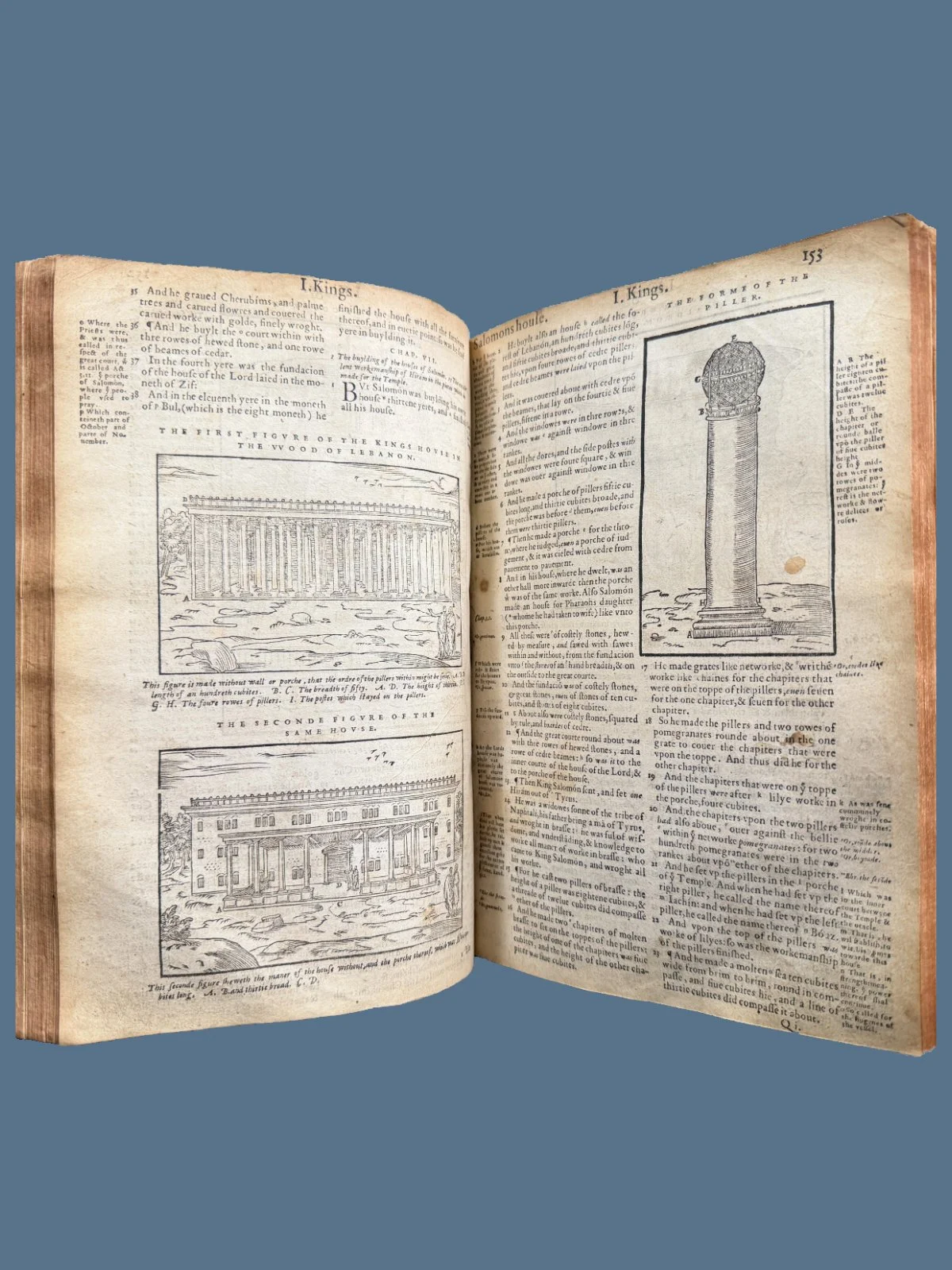 Image 13 of 25
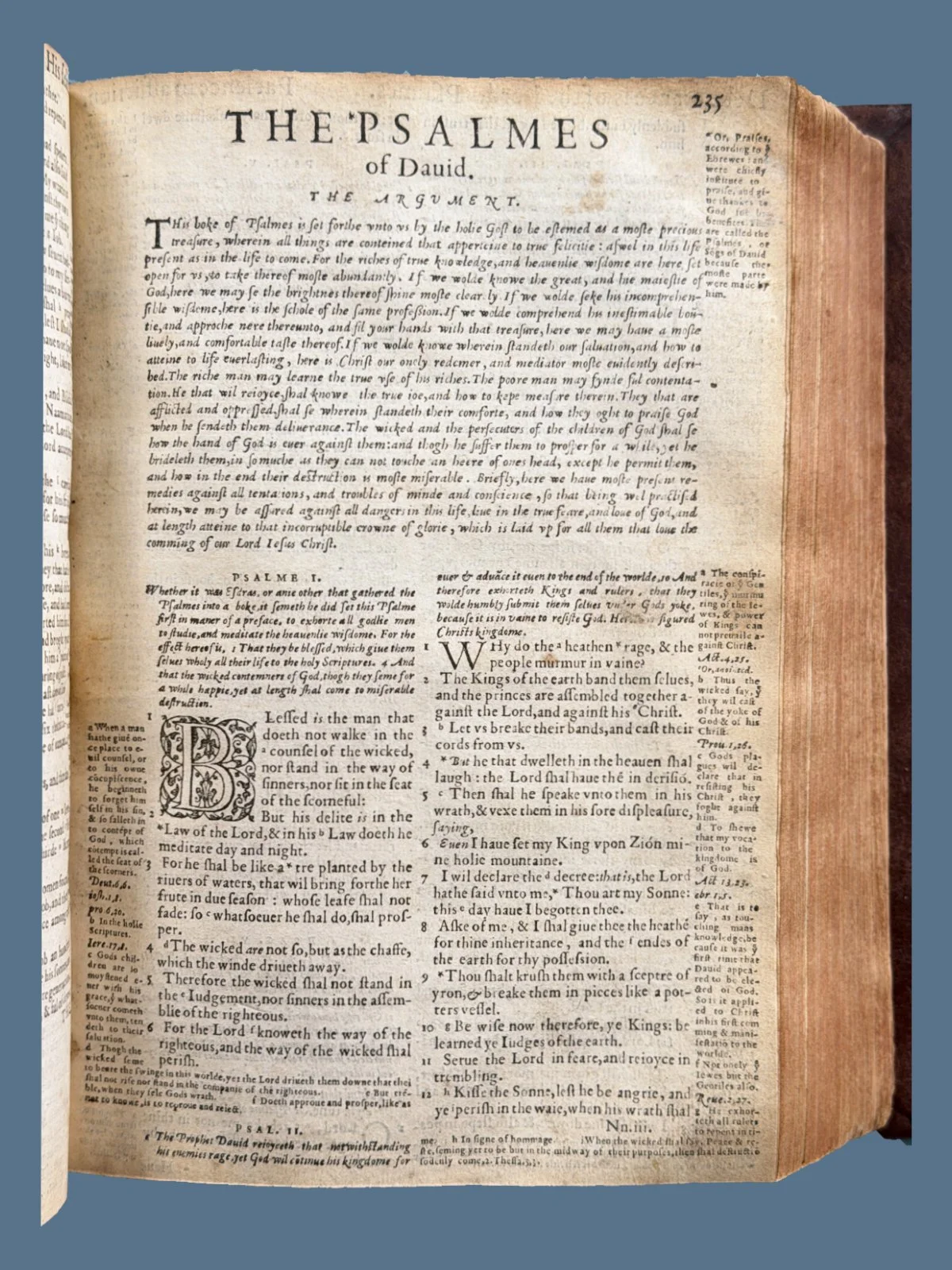 Image 14 of 25
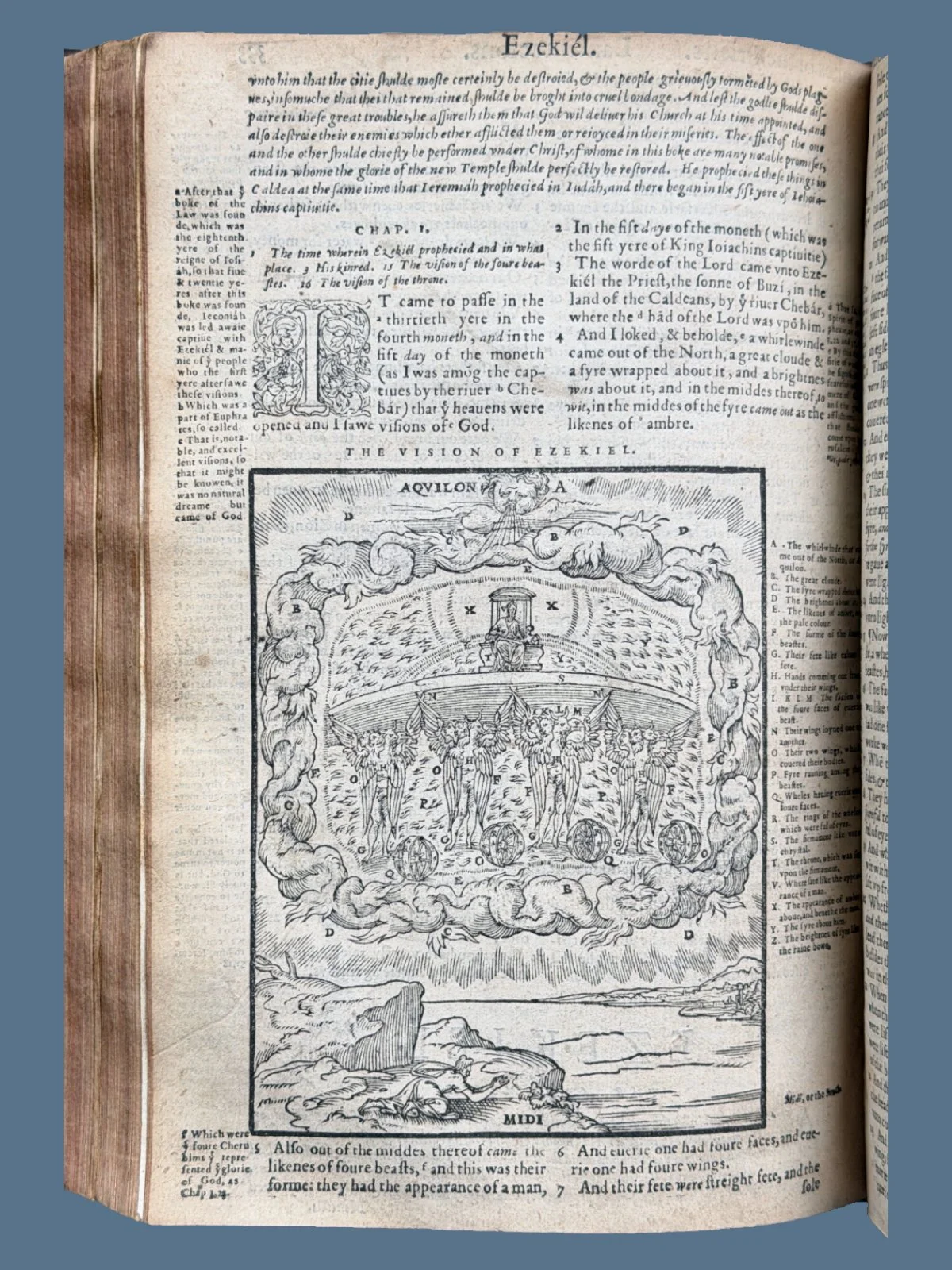 Image 15 of 25
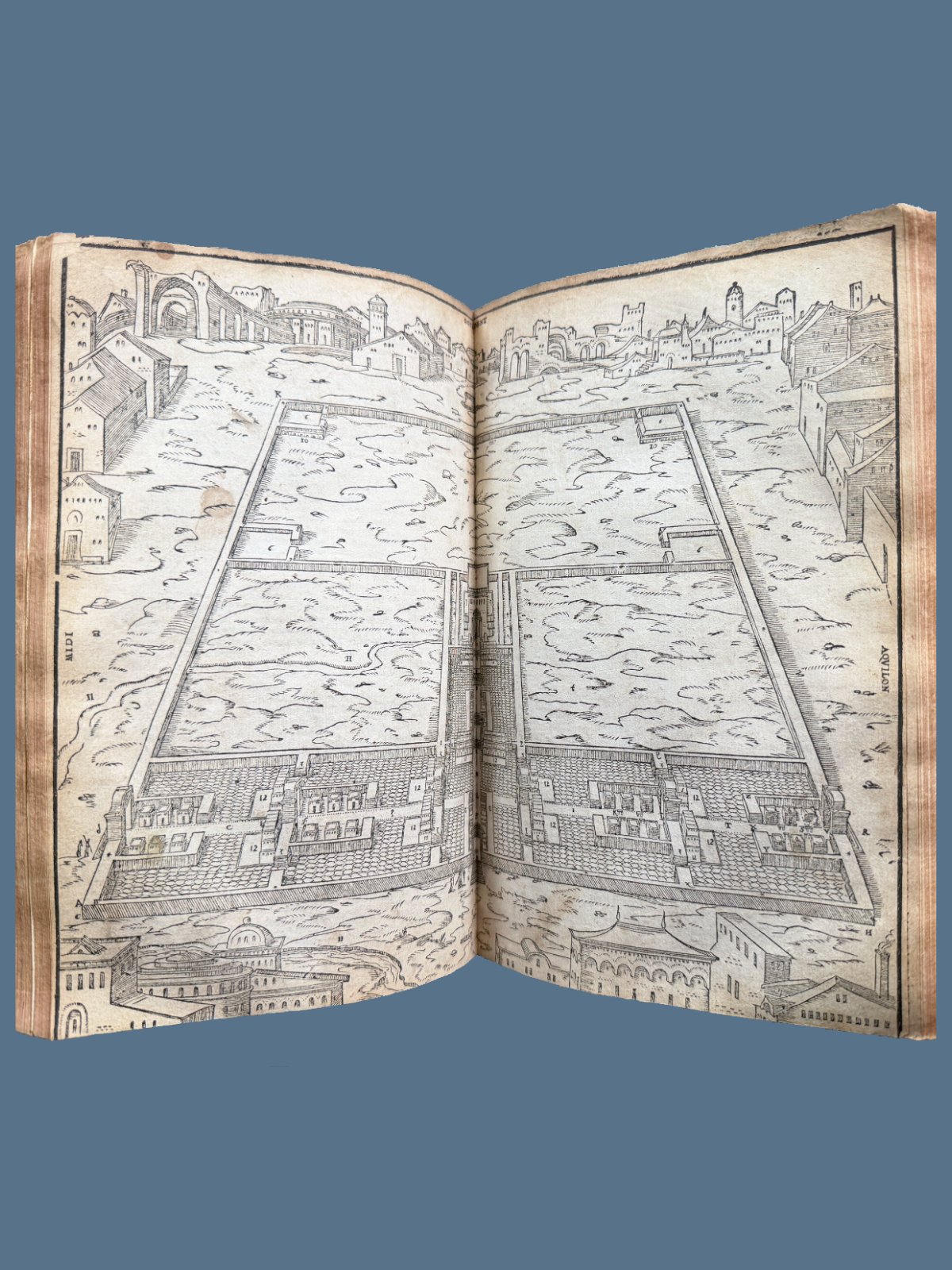 Image 16 of 25
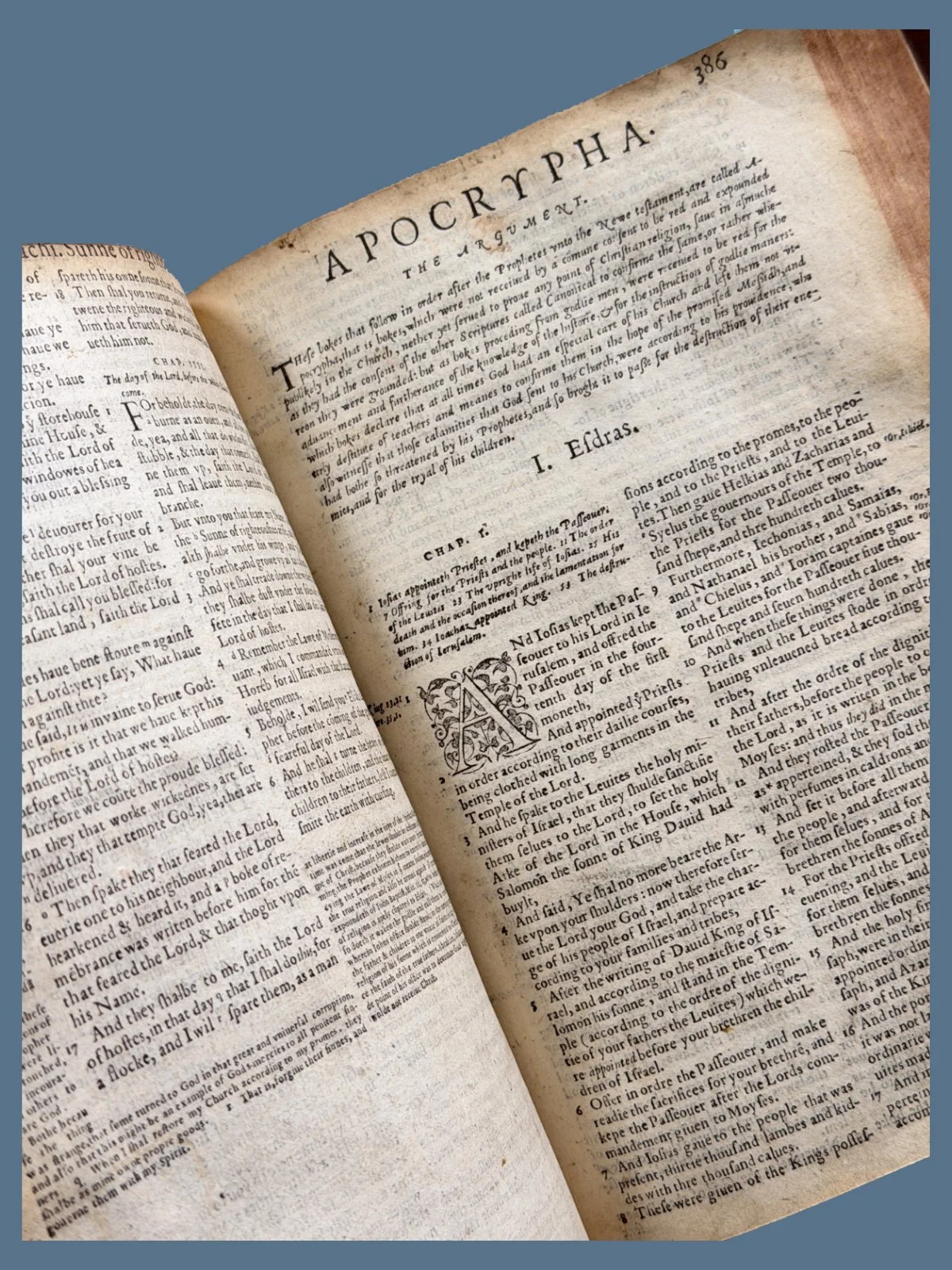 Image 17 of 25
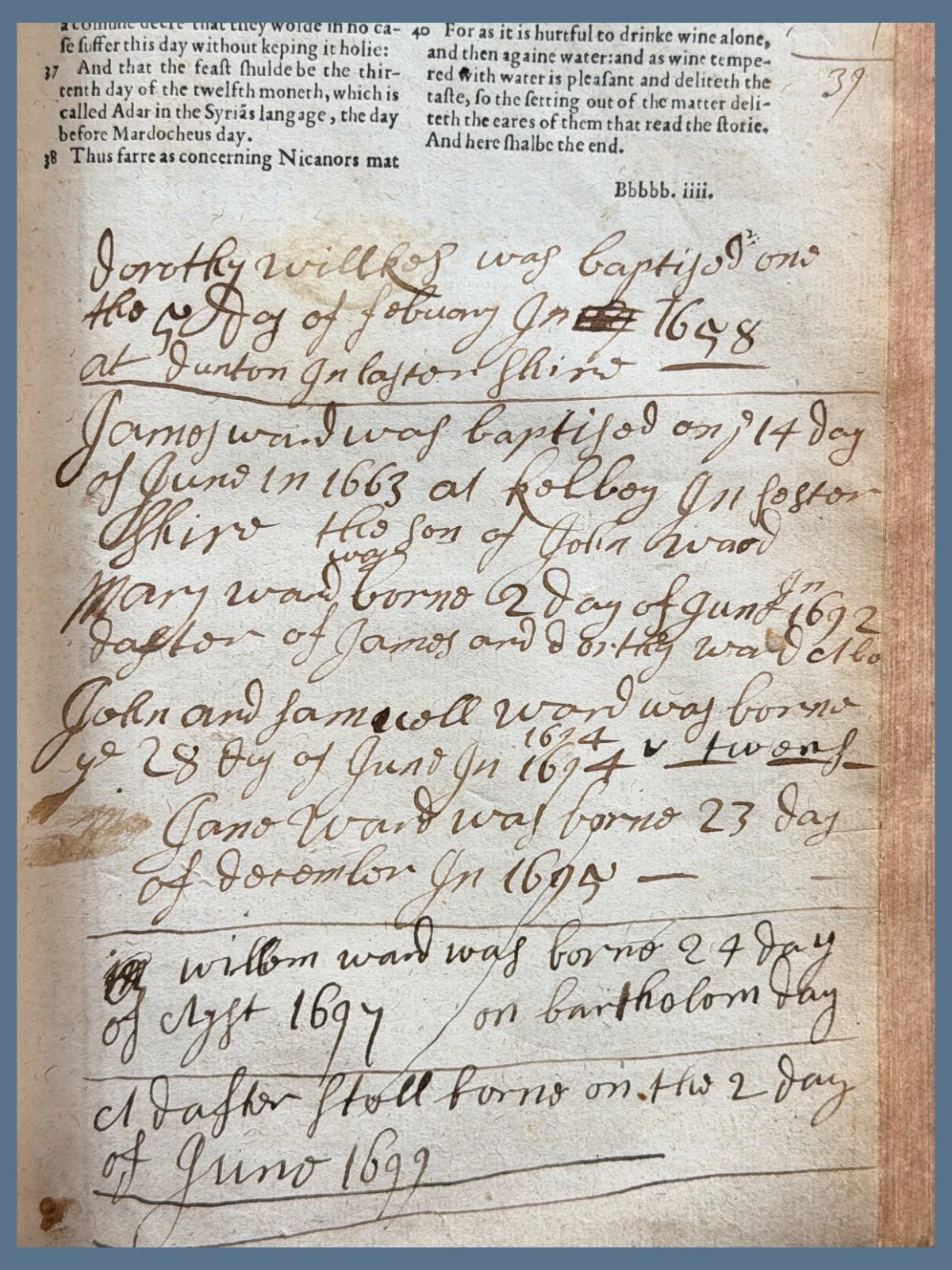 Image 18 of 25
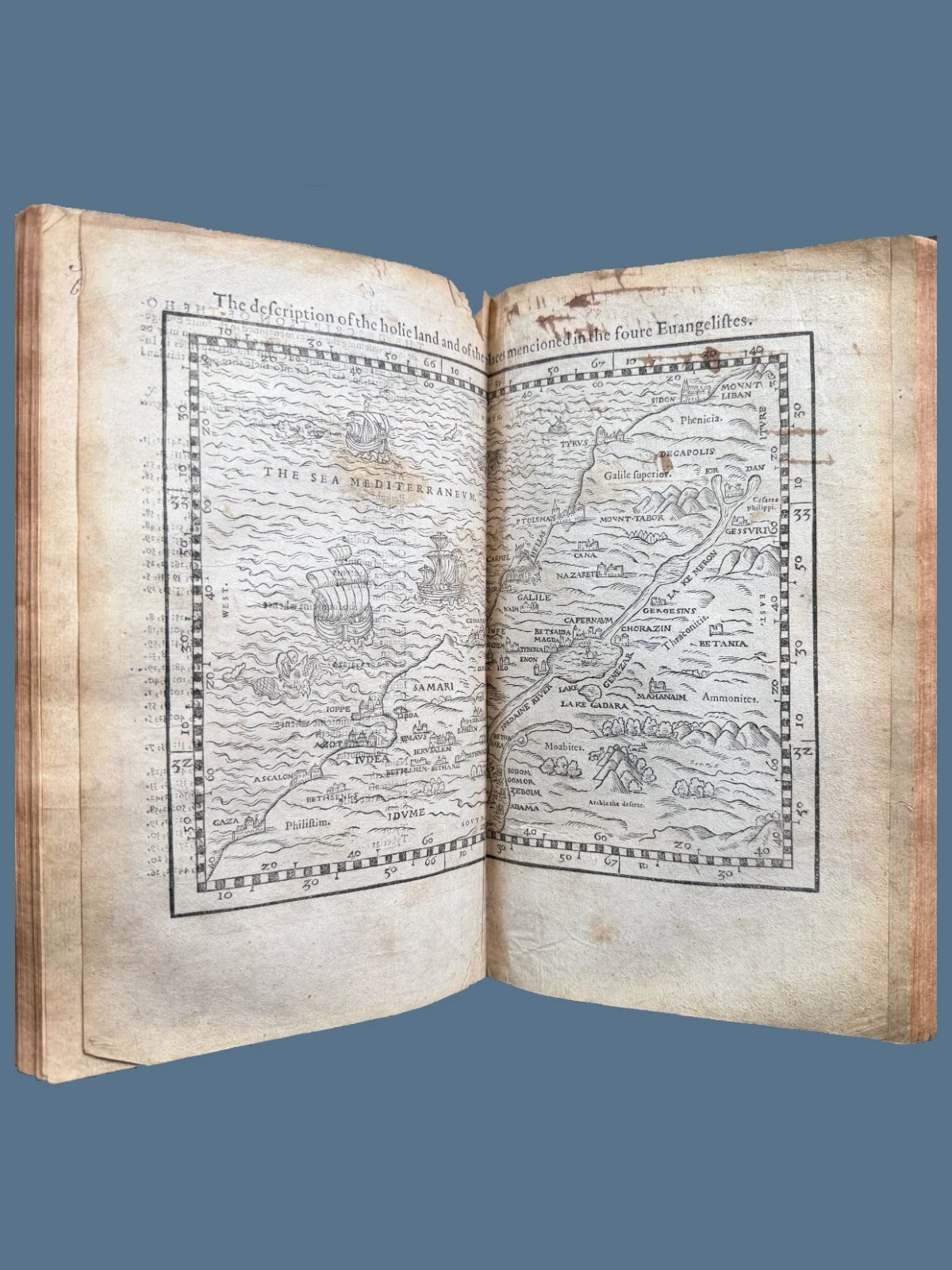 Image 19 of 25
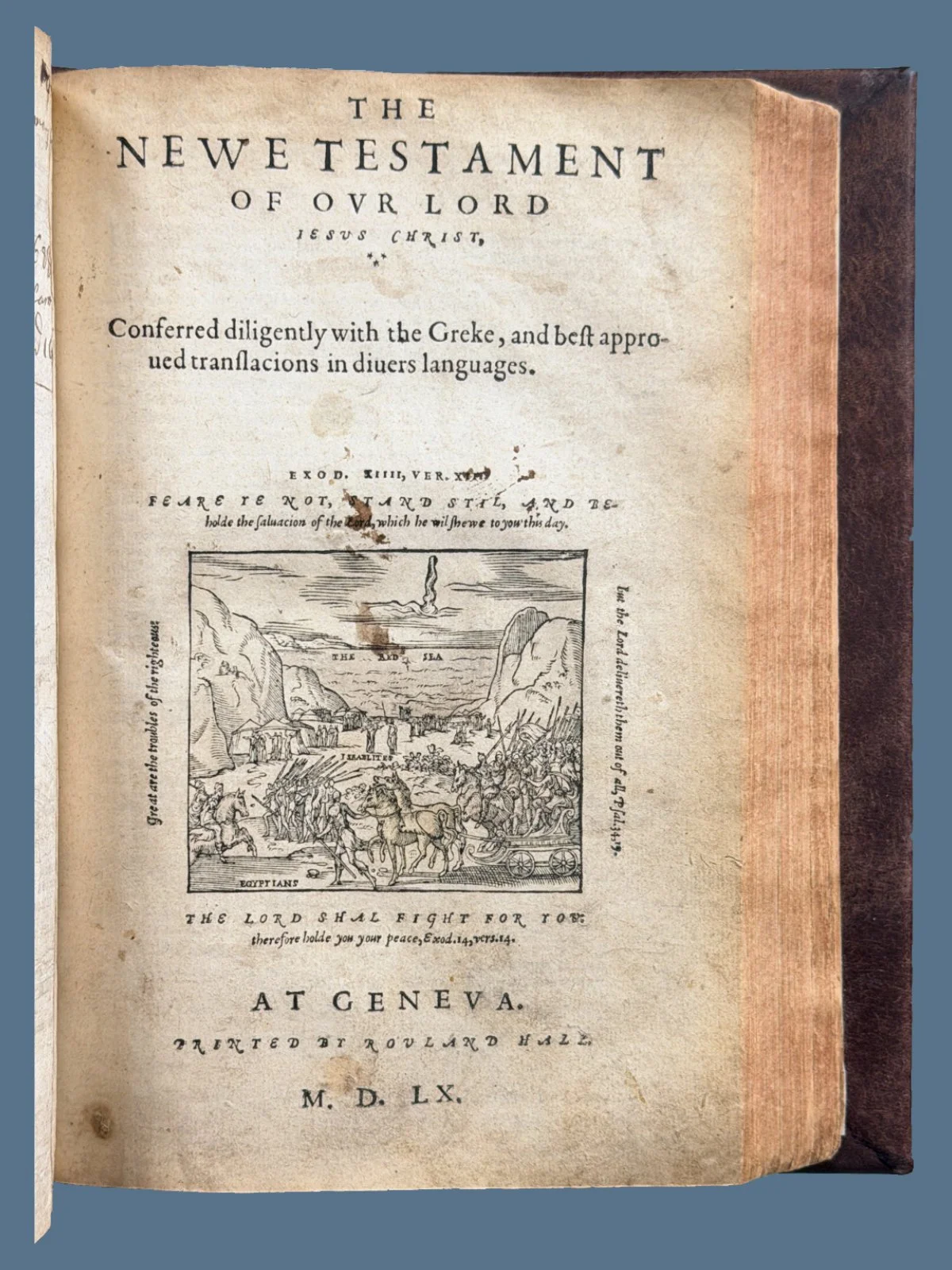 Image 20 of 25
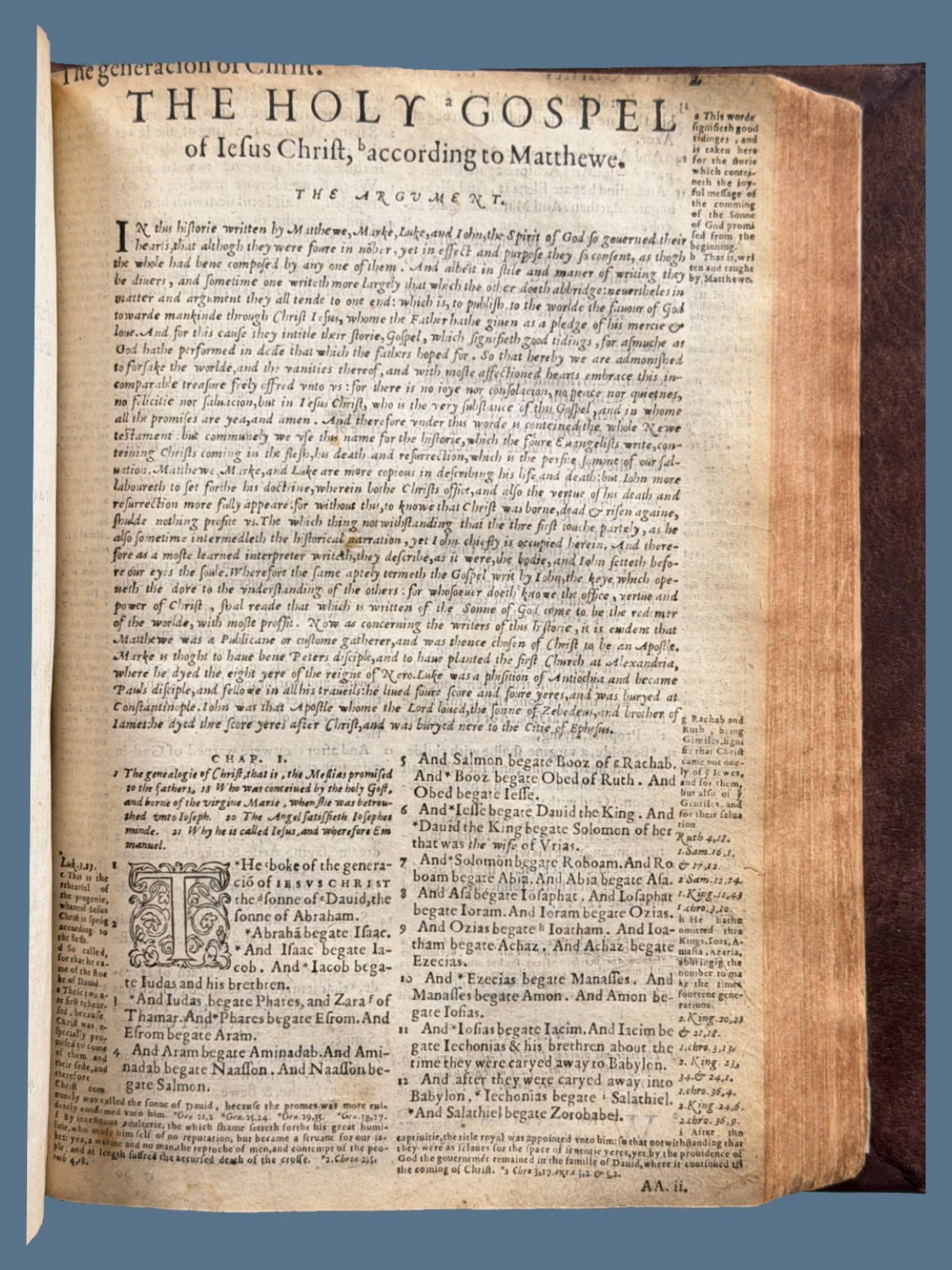 Image 21 of 25
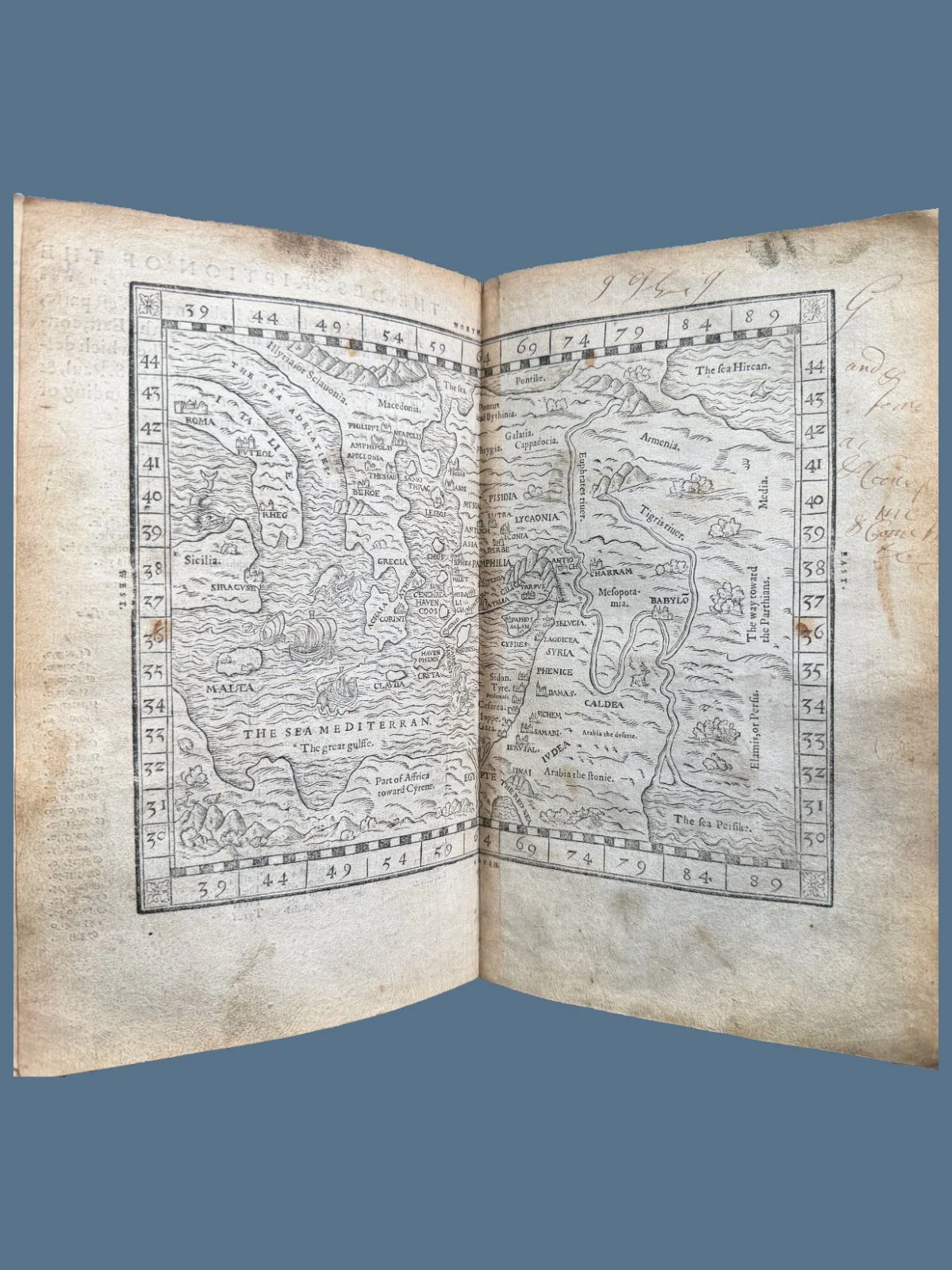 Image 22 of 25
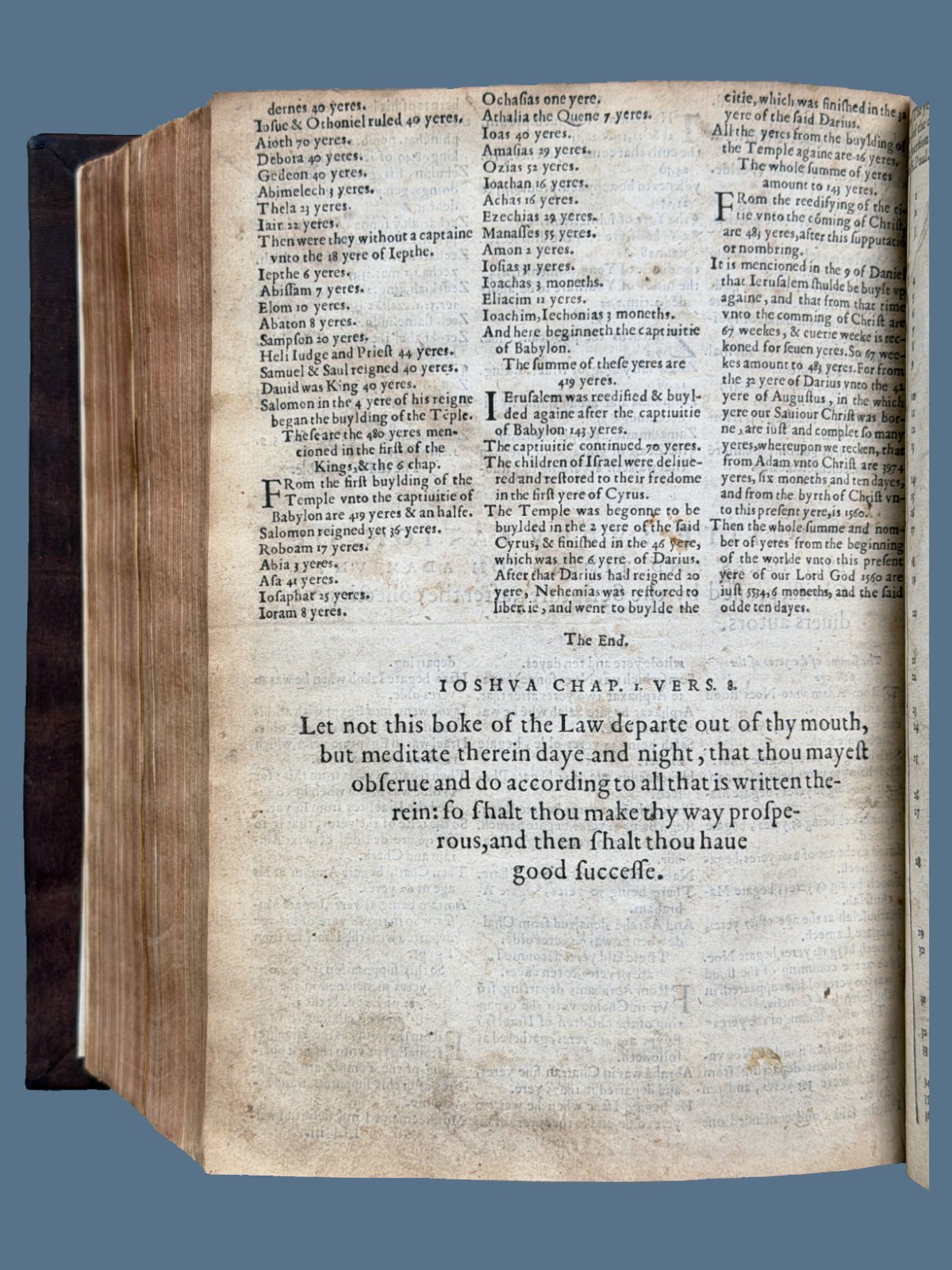 Image 23 of 25
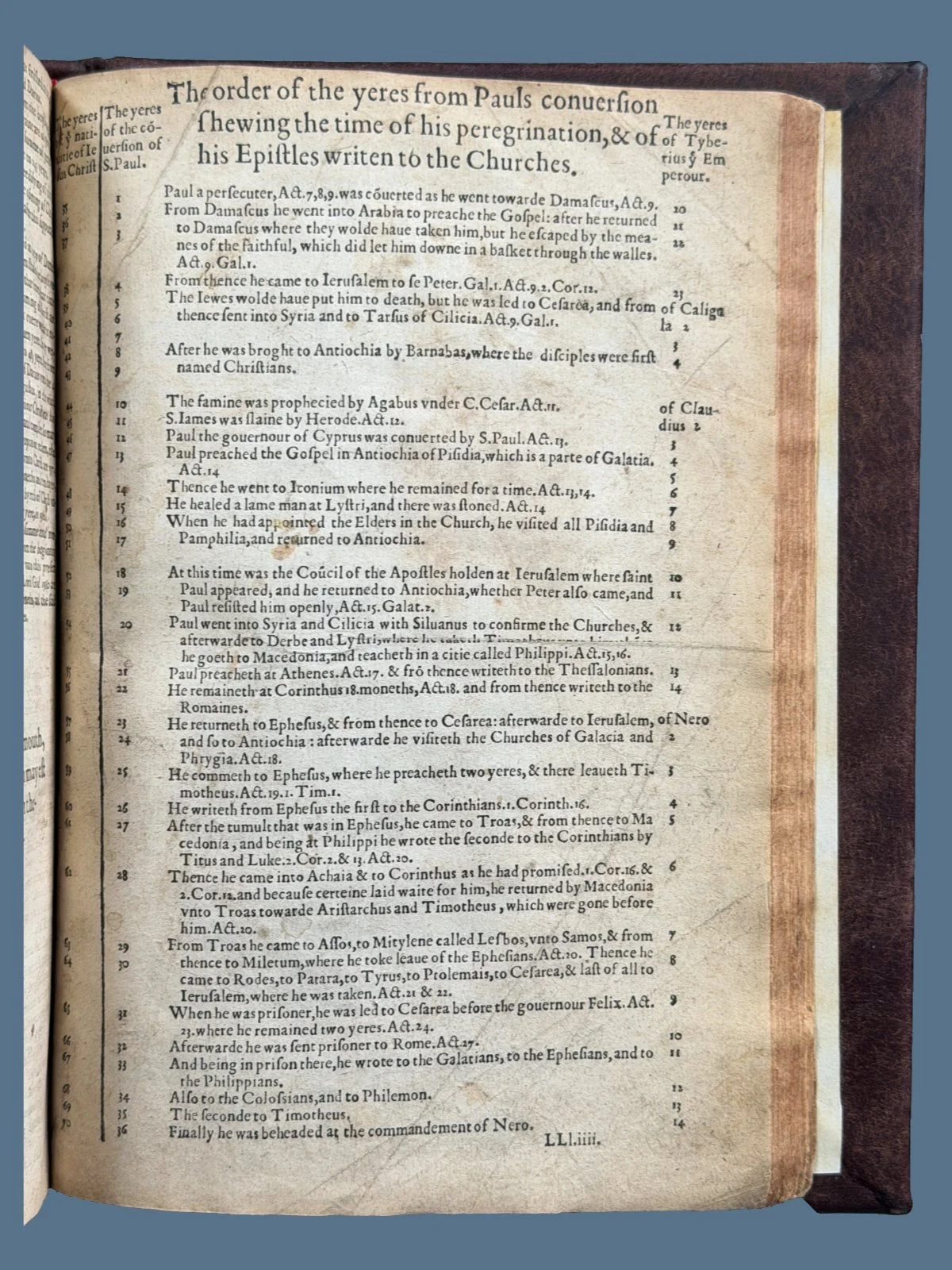 Image 24 of 25
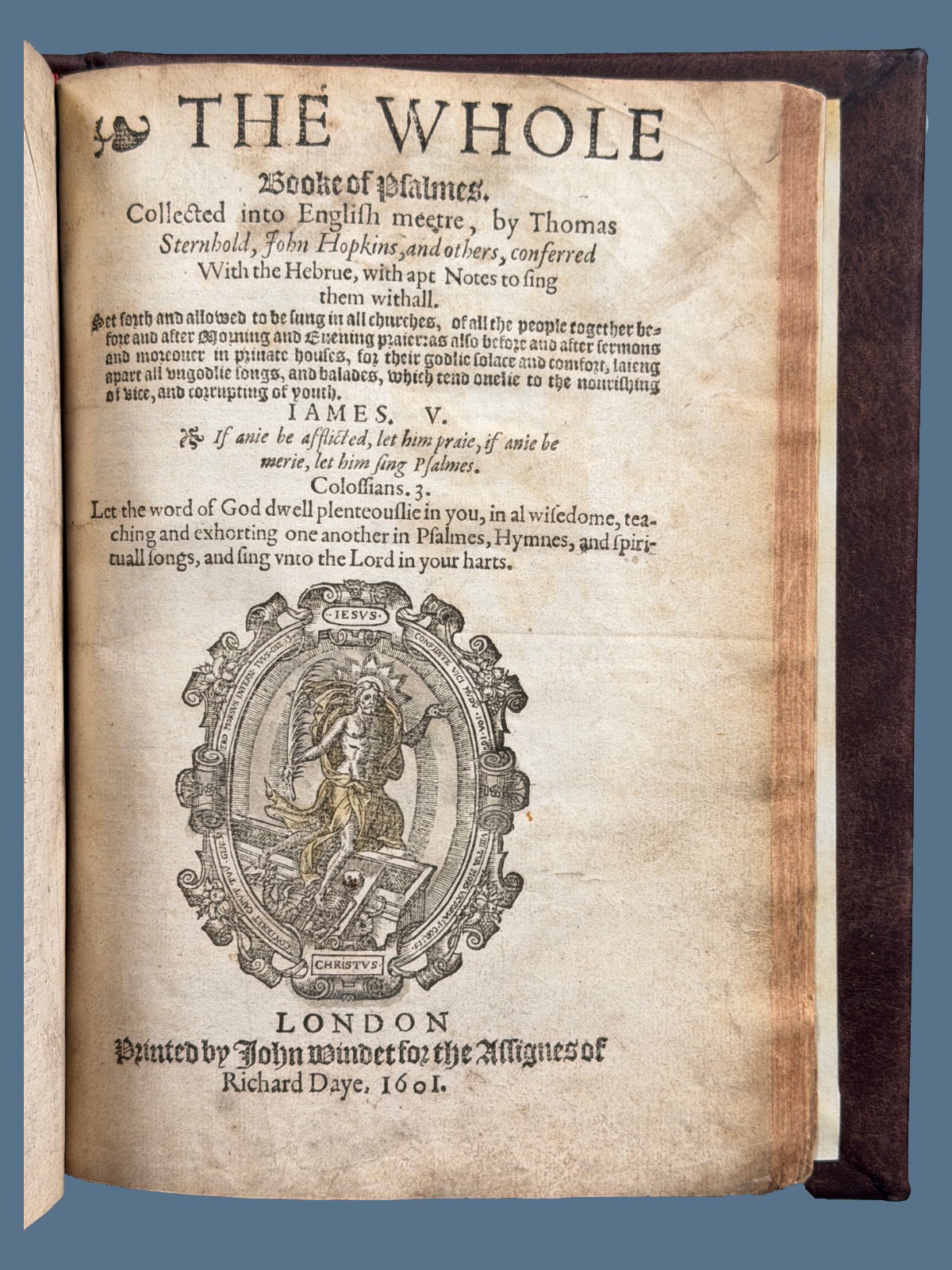 Image 25 of 25
[The Bible and Holy Scriptures Conteined in The Olde and Newe Testament. Translated According to the Ebrew and Greke, and conferred with the best Translations in divers Languages. With Moste Profitable Annotations…]
Summary
The first edition of the Geneva Bible. Unrivaled for three generations, the translation produced by Marian exiles showed a distinct advance on its predecessors: Roman type, portable size, verse divisions, marginal study notes, and explanatory woodcuts. Its phrases find an echo in Scripture quotations from Shakespeare to Bunyan.
Description
Bound with the Book of Common Prayer with title page and printer’s device (1619). The title page, calendar, and proper lessons are printed in red and black. General title page (1560) and first two prelims in fine facsimile on laid paper. Text in two column Roman type. All five double-page maps are present ('The way, which the Israelites went for the space of fourtie yeres'; ‘The division of the land of Canaan’; [The forme of the Temple and citie restored]; ‘The description of the holie land and other places mencioned in the foure Evangelistes’; ‘The description of the countreis and places mencioned in the Actes of the Apostles’). The type and the woodcuts are both larger than the editions later printed in England. Apocrypha present. New Testament title page (1560) with the woodcut of the crossing of the Red Sea. Concludes with the Two Tables and The Order of the Yeres. Bound with The Whole Booke of Psalmes with title page (1601) and printer’s device, ending on dated colophon. First chapter woodcut initials throughout.
Collation
***^4(-***1-3, general title and two prelims in facsimile), a-z^4, A-Z^4, Aa-Zz^4, &^6, Aaa-Zzz^4 (-Kkk3, Jer 32:28-33:10 in facsimile), Aaaa-Zzzz^4, Aaaaa-Bbbbb^4, Aa-Zz^4, Aaa-Lll^4. Lacks general title page, two prelims, and one leaf in Jeremiah, all in facsimile.
Binding
Attractively rebound in two-toned blind paneled calf. Spine with four blind-ruled bands and the words “Holy Bible” on red morocco label, and “1560” lettered in gilt. Renewed marbled endpapers.
Condition
Internally clean and bright overall; a3 small burnhole costing a few letters of text; f-x small wormtrack to fore-edge margin; i4 closed tear into text without loss; O4 loss to 14 lines of text in outer column but repaired with missing text in facsimile; Tt1 very short closed tear; New Testament title lightly stained; headlines in New Testament cropped; ‘The description of the holie land’ map with small tear to upper margin and bleeding through from 17th-century manuscript genealogy on verso; Psalter title page printer’s device washed in yellow. A nice copy of an increasingly scarce book.
Provenance
Seventeenth century baptism and family records of Dorothy Wilkes (1658), James Ward (1663) and family from Kilby, Leicestershire to end of Apocrypha.
Note
First edition of the Geneva Bible, the most important and widely read English Bible for more than a century. Produced by English Protestant exiles who had fled Marian persecution for Geneva, it was the first complete English Bible translated directly from the original biblical languages, and the first English Bible printed in roman type and with verse divisions. Designed as a portable and readable Bible for everyday devotion and study, its title page departed from the elaborate woodcut designs of earlier English Bibles such as the Coverdale, Matthew’s, and Great Bibles, instead featuring a modest image of the Israelites trapped at the Red Sea. Hemmed in by the sea, mountains, and the pursuing Egyptian army, the Israelites turn to God for deliverance, a scene that invited readers to see a parallel between Israel’s bondage and the plight of the persecuted English church in exile, awaiting God’s deliverance and the opportunity to return home. The Geneva Bible quickly became the Bible of the English Protestant household and retained its popular preeminence until its gradual suppression and displacement following the introduction of the King James Version in 1611.
References
Herbert 107; USTC 450496; Luborsky 2108; PMM 83.