 Image 1 of 24
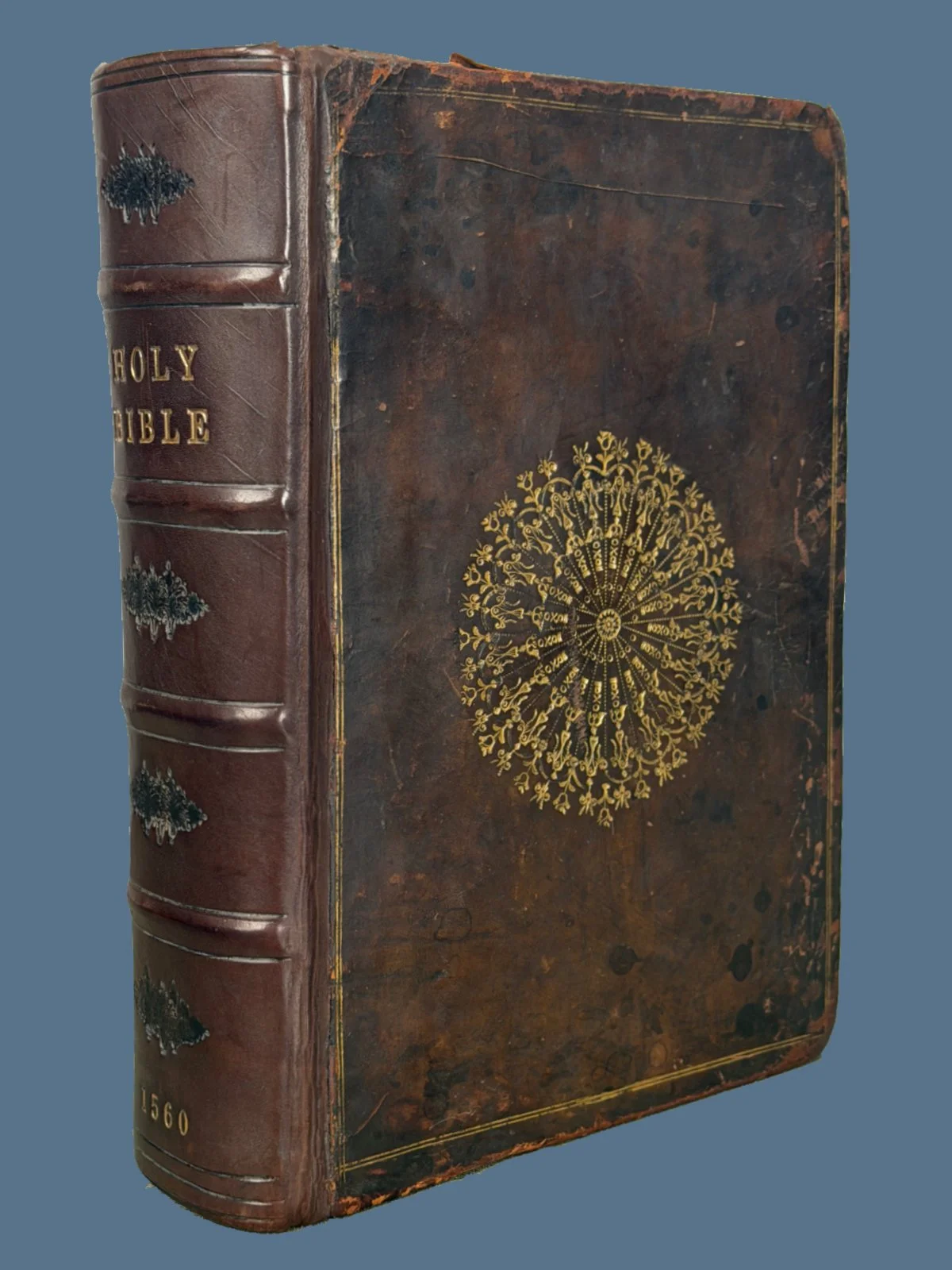 Image 2 of 24
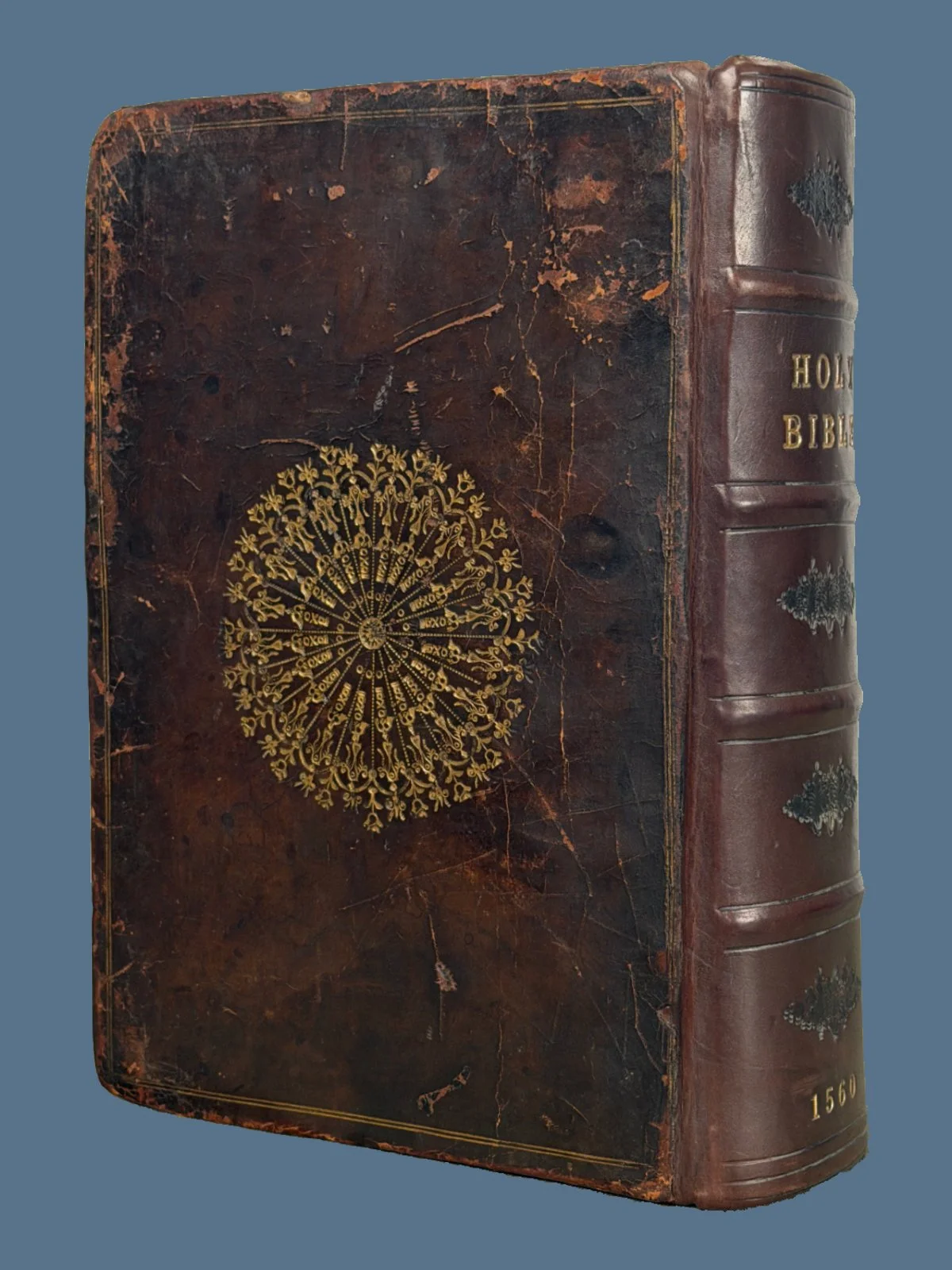 Image 3 of 24
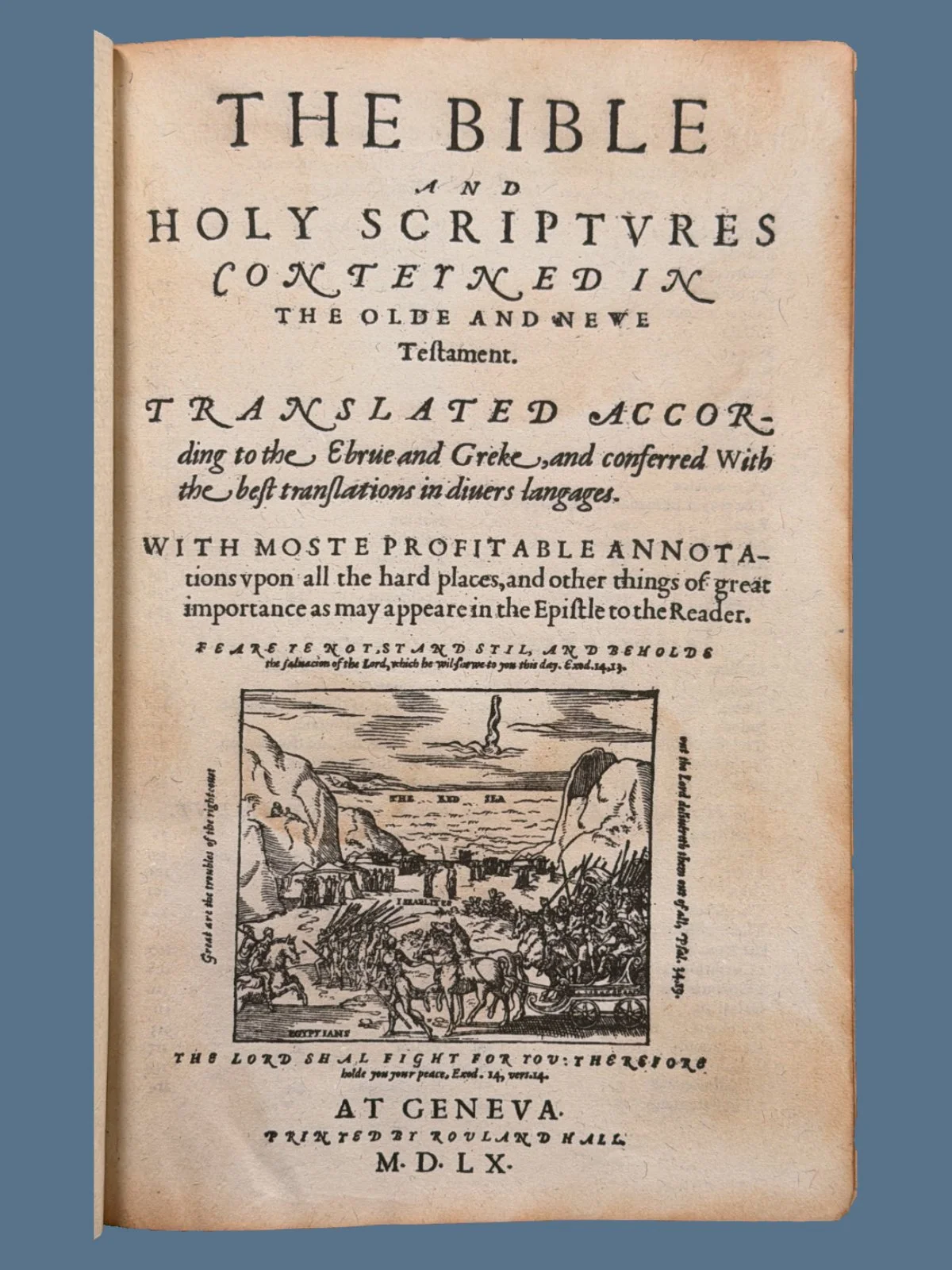 Image 4 of 24
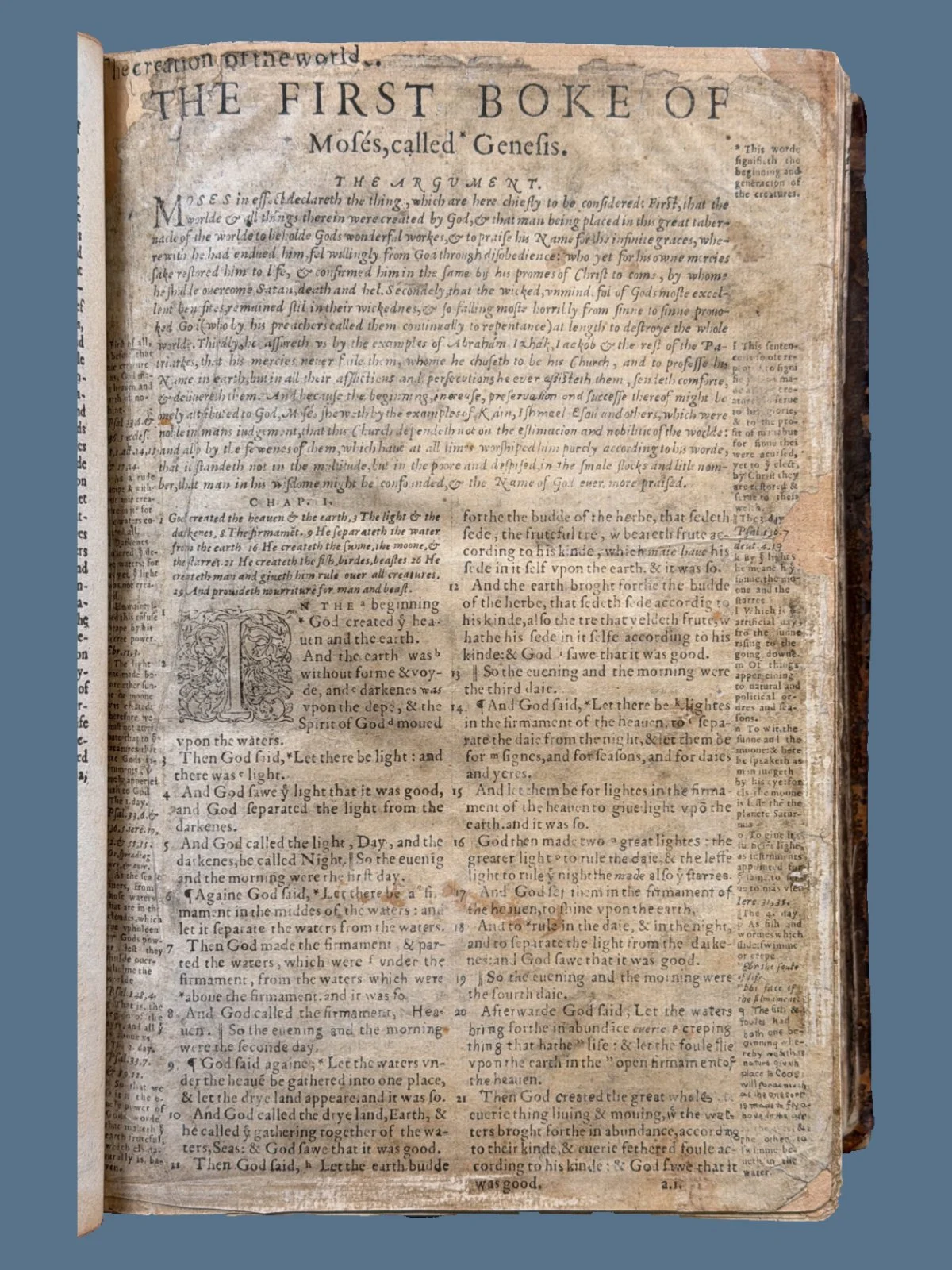 Image 5 of 24
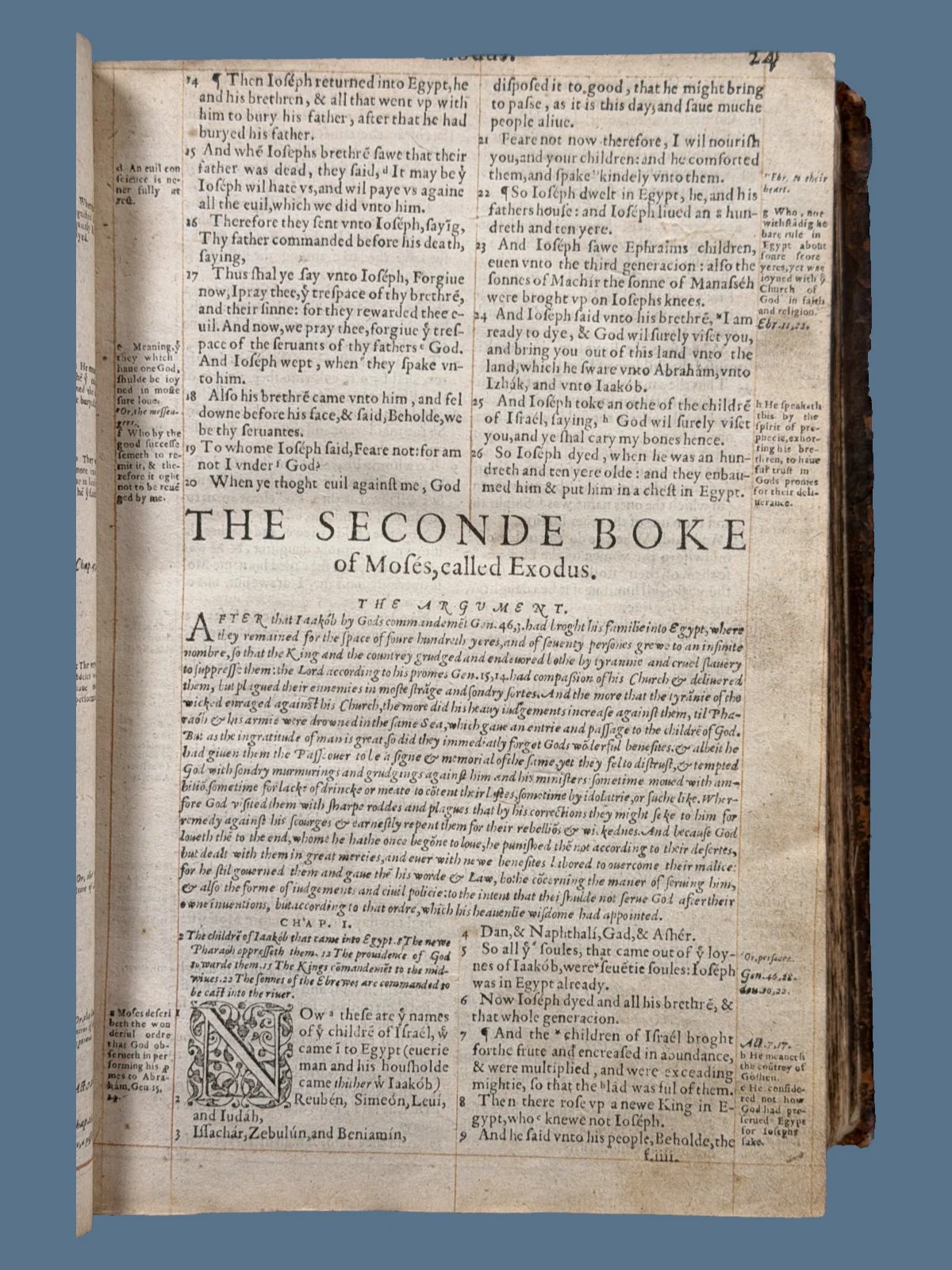 Image 6 of 24
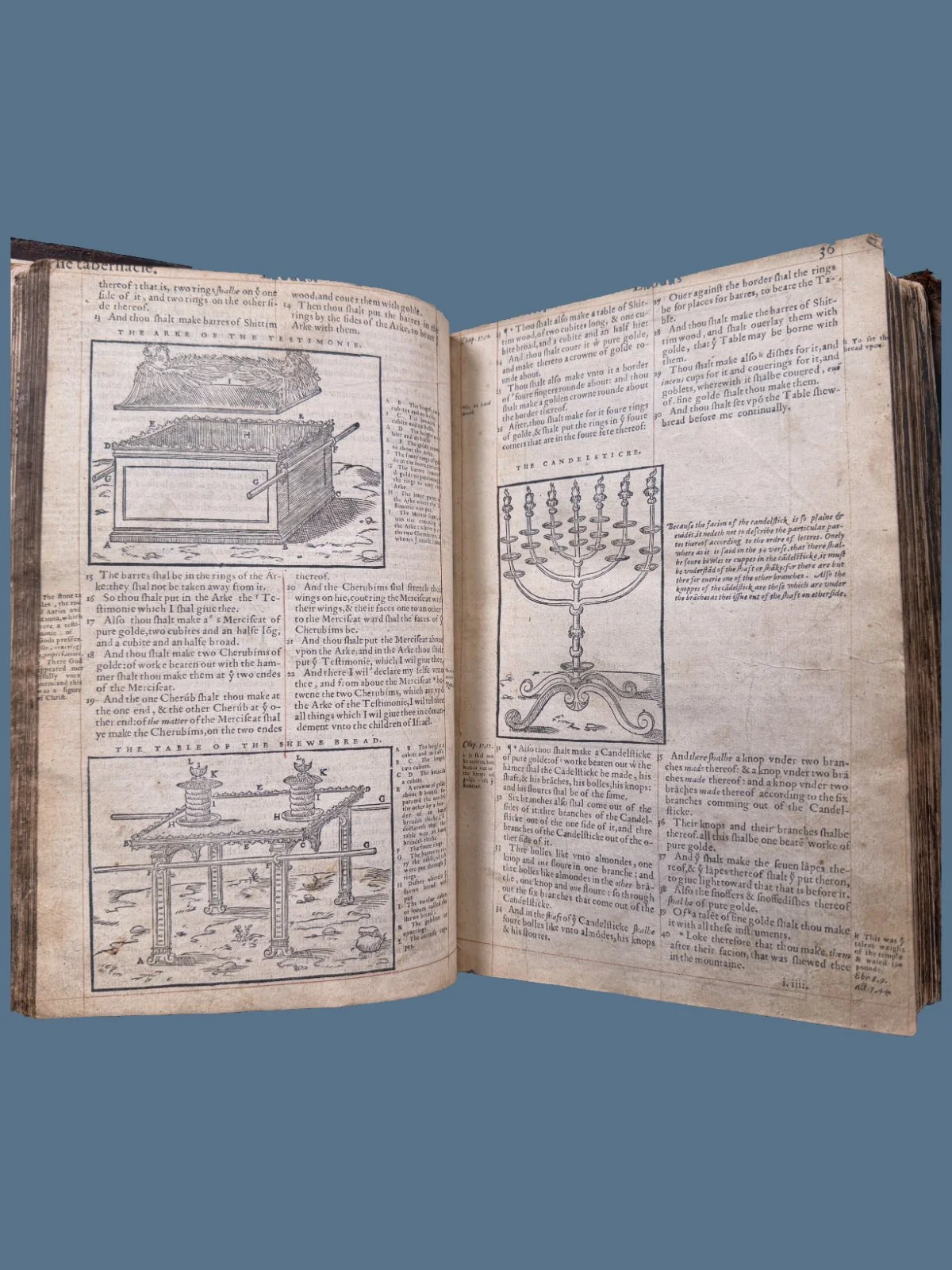 Image 7 of 24
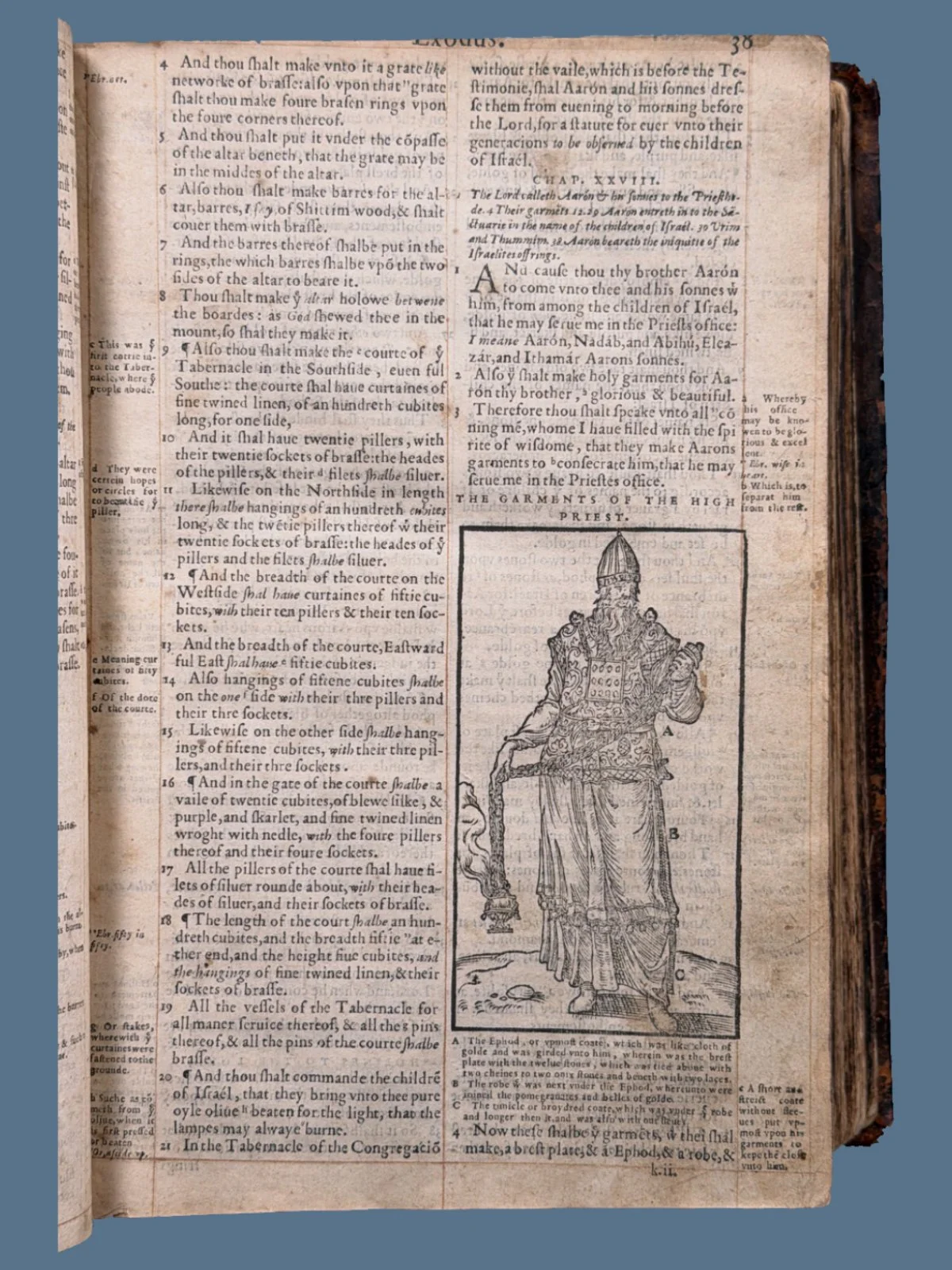 Image 8 of 24
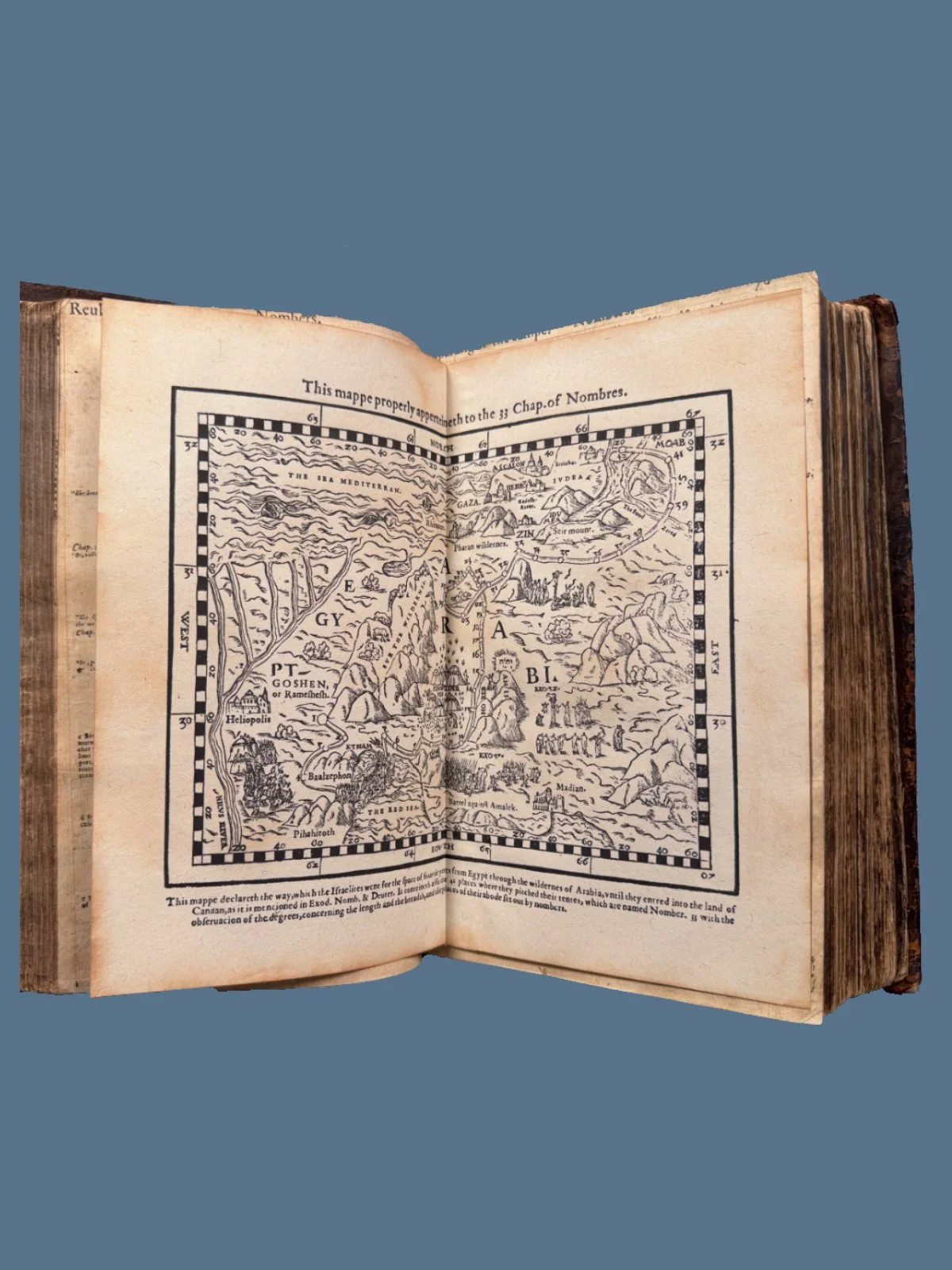 Image 9 of 24
 Image 10 of 24
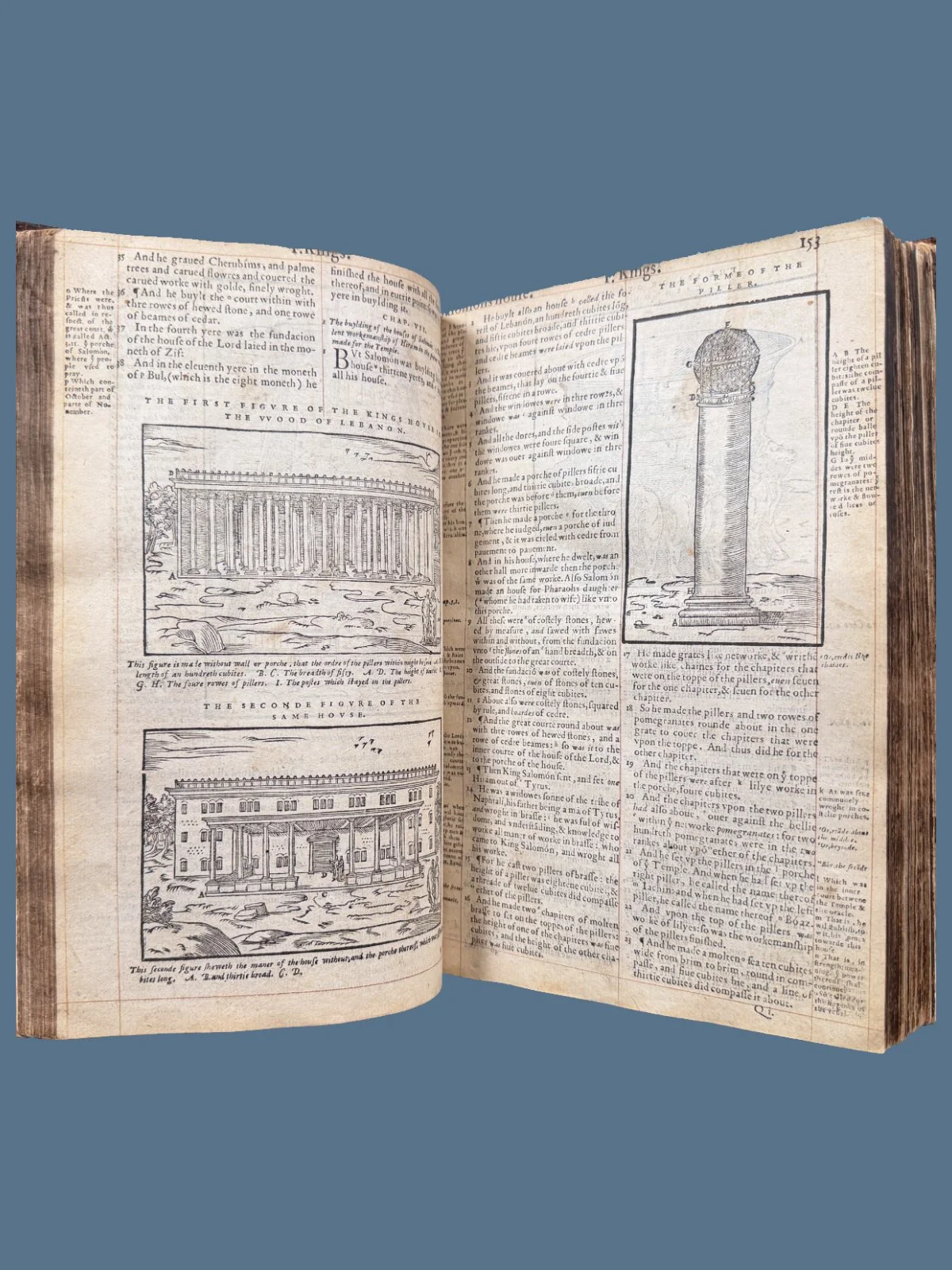 Image 11 of 24
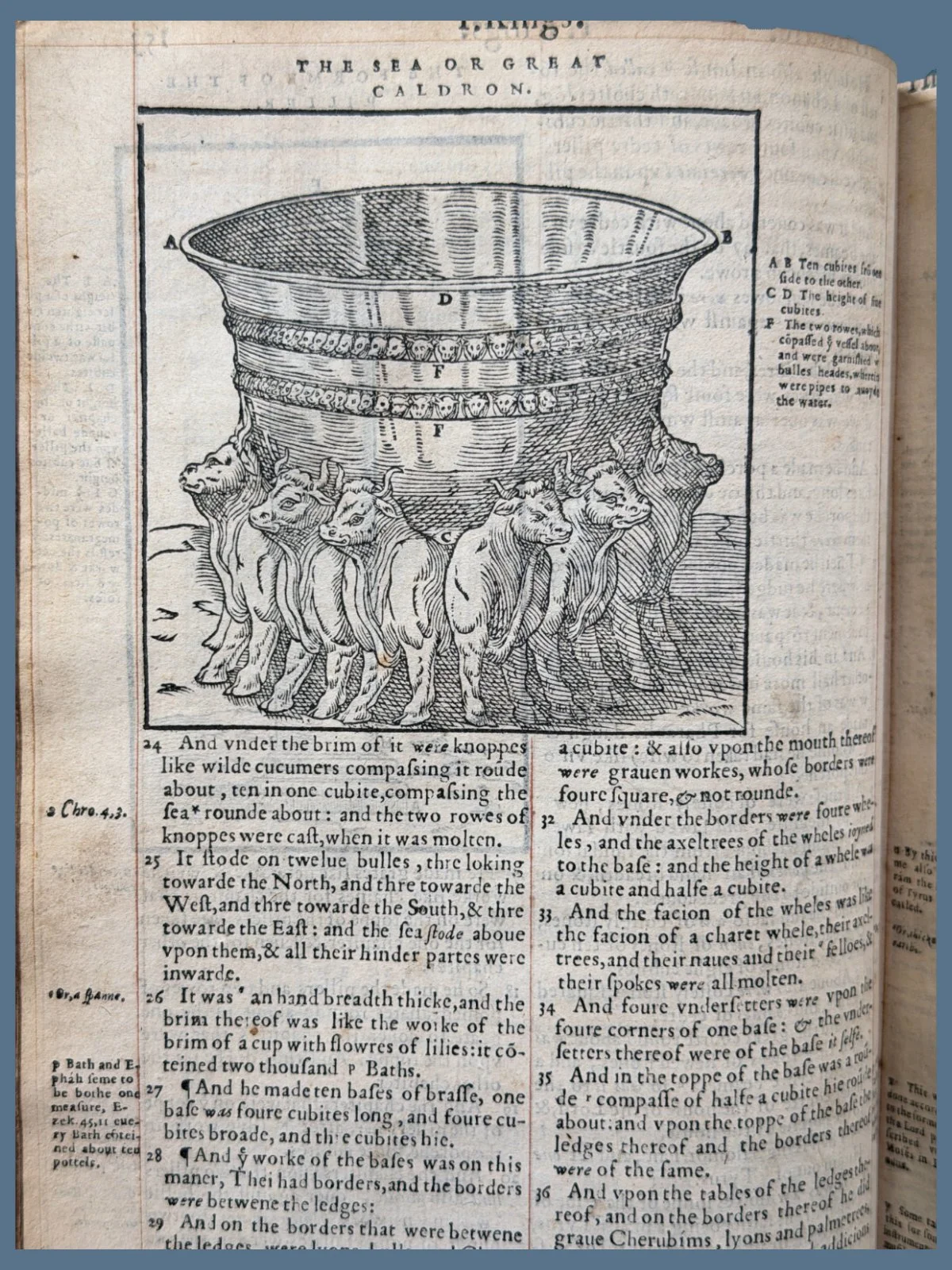 Image 12 of 24
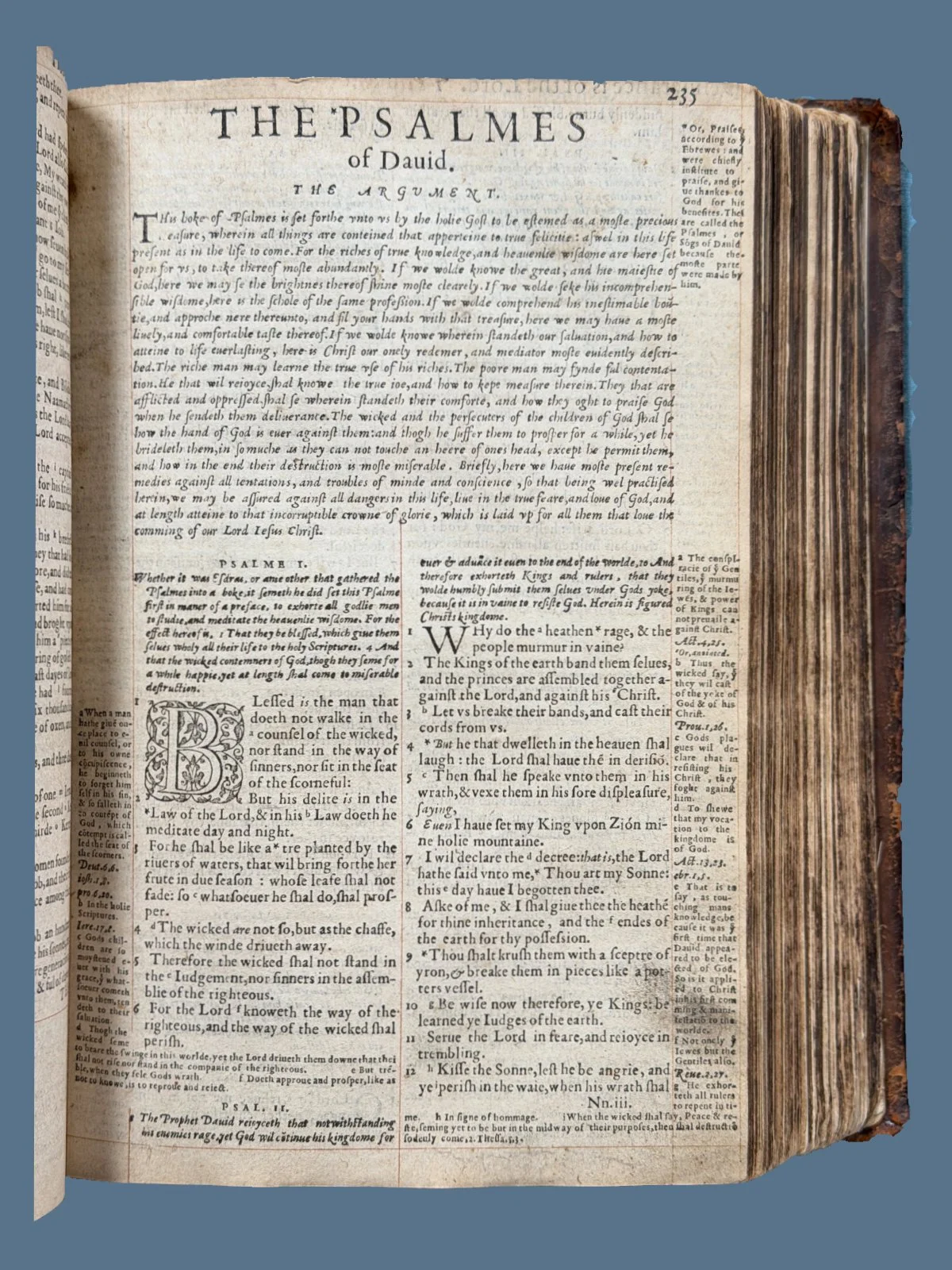 Image 13 of 24
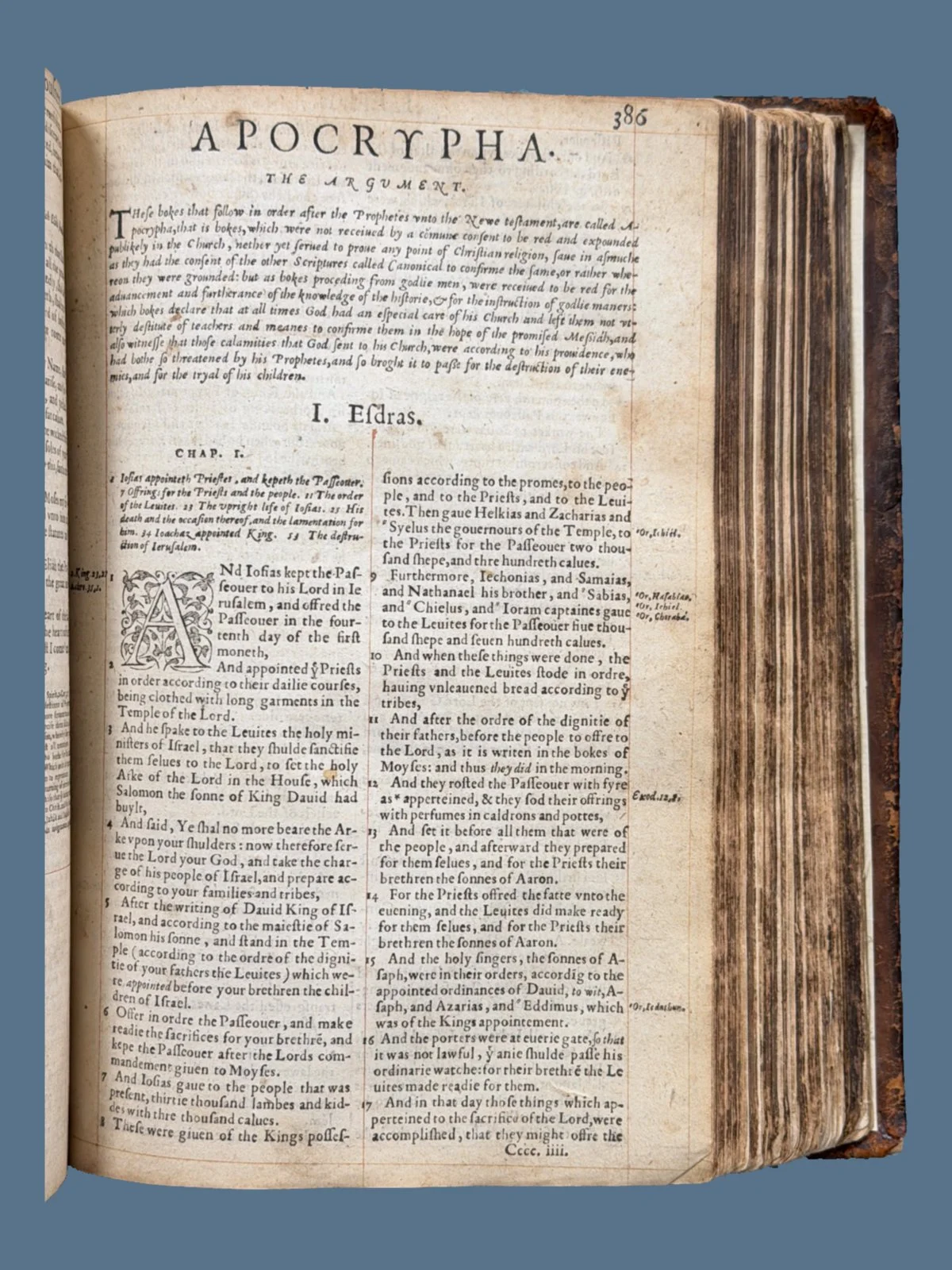 Image 14 of 24
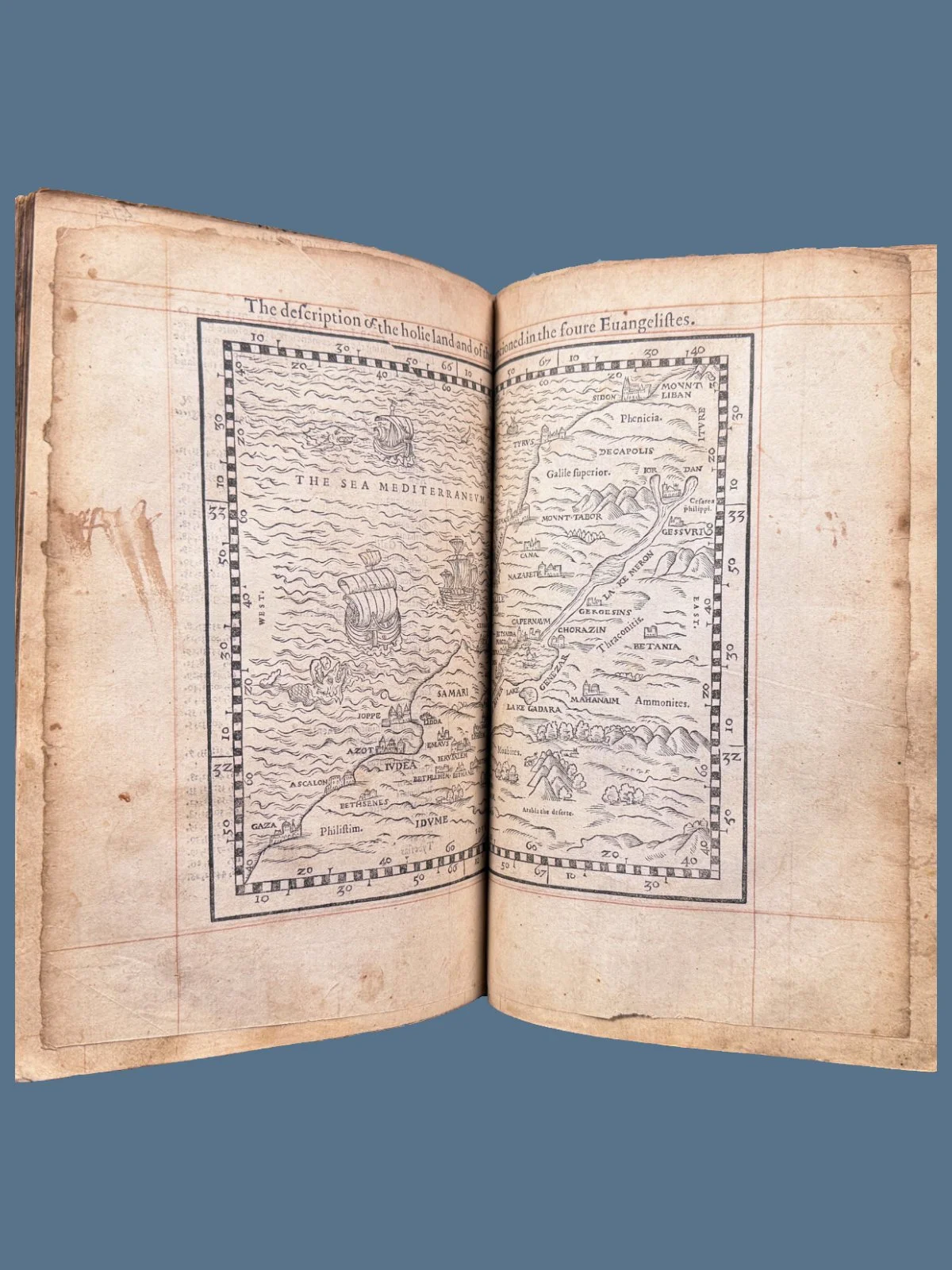 Image 15 of 24
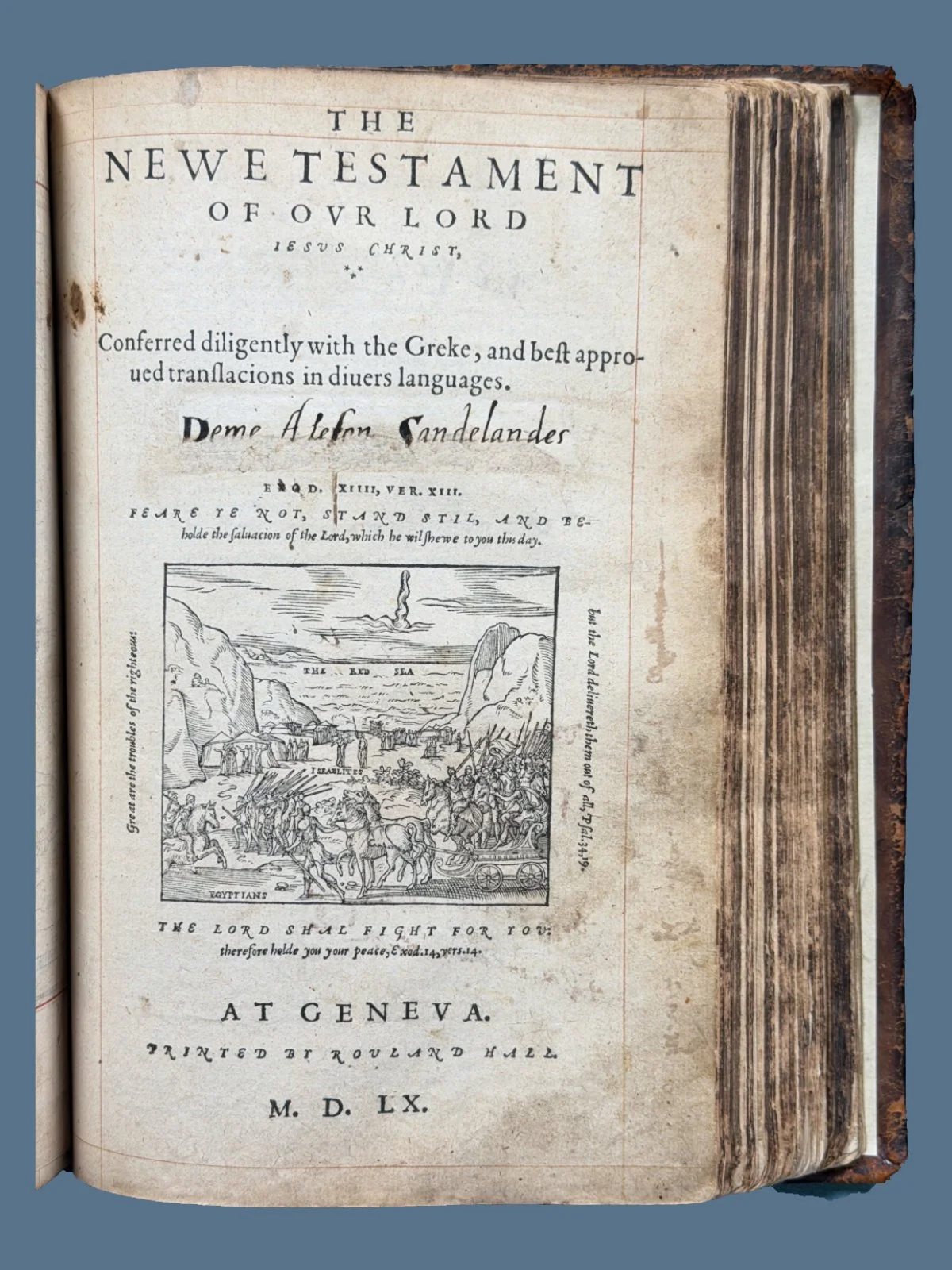 Image 16 of 24
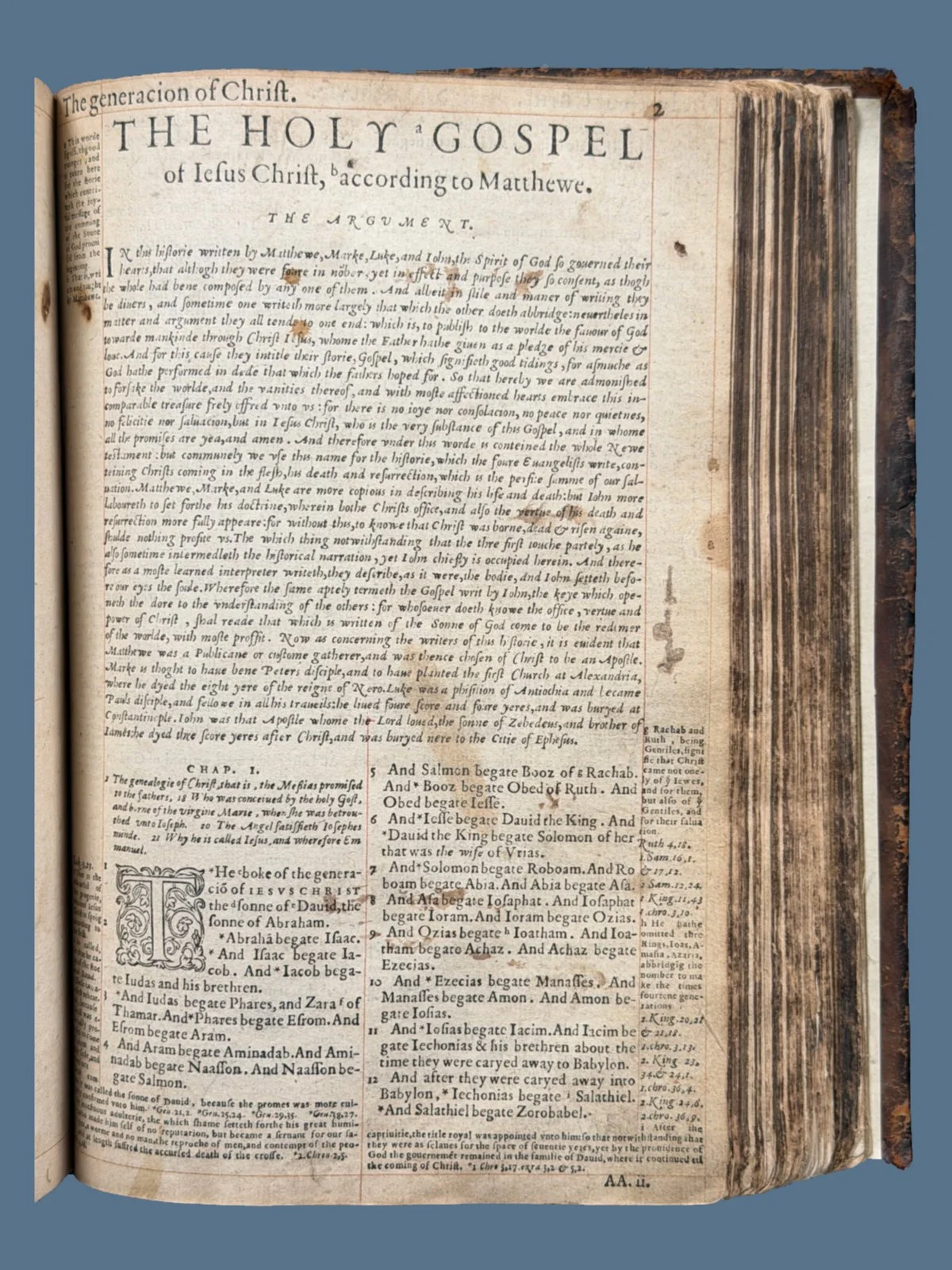 Image 17 of 24
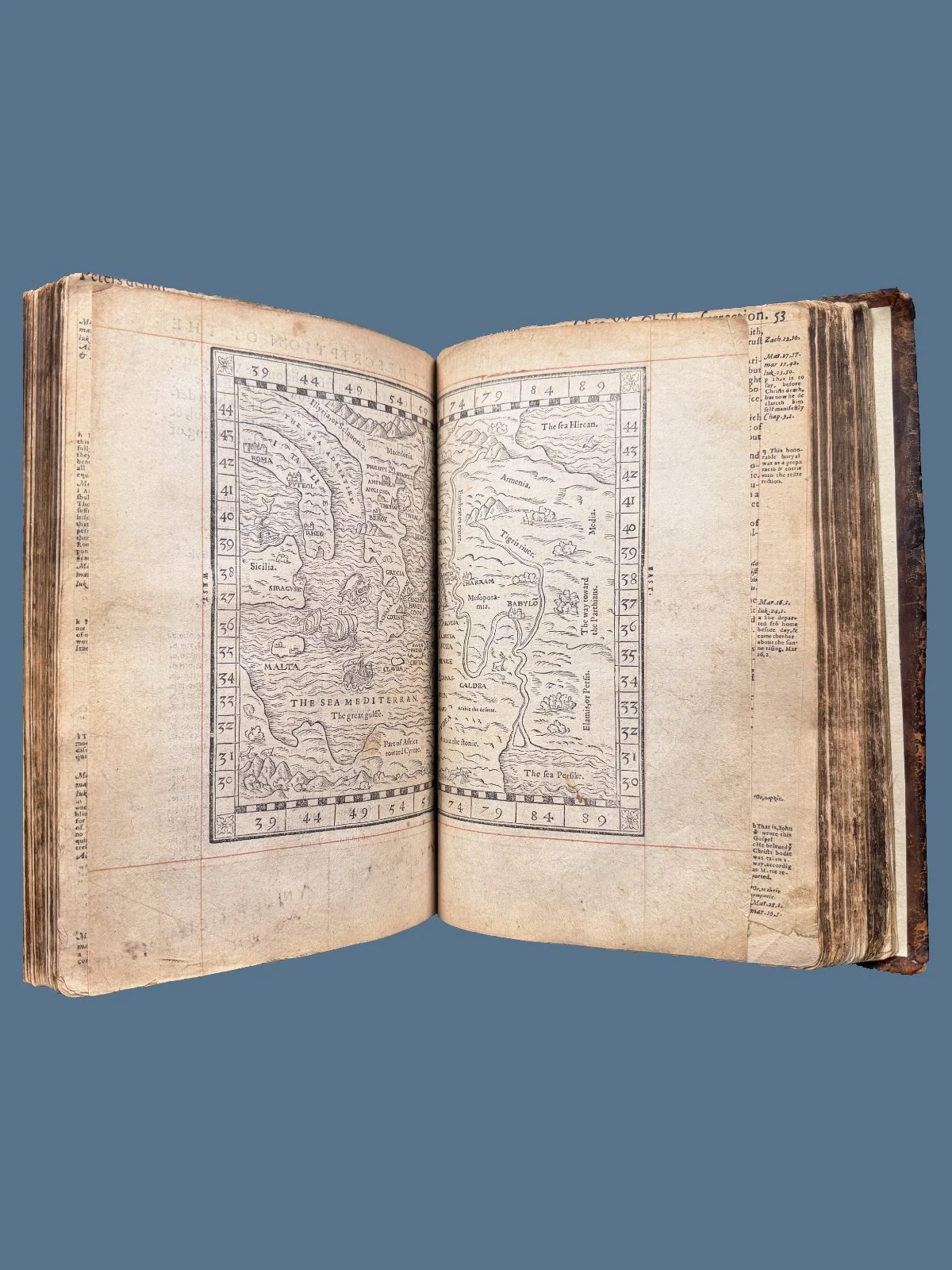 Image 18 of 24
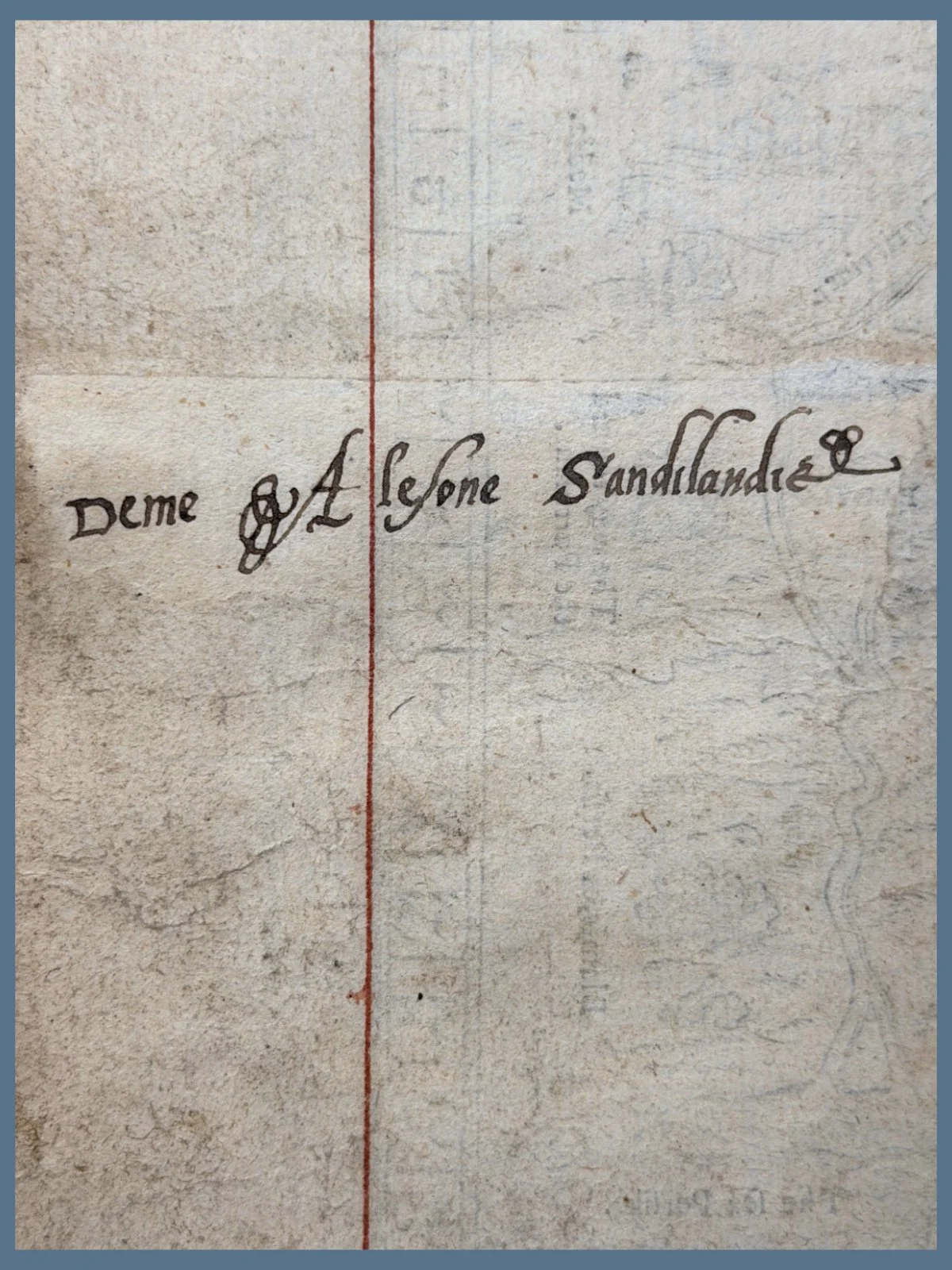 Image 19 of 24
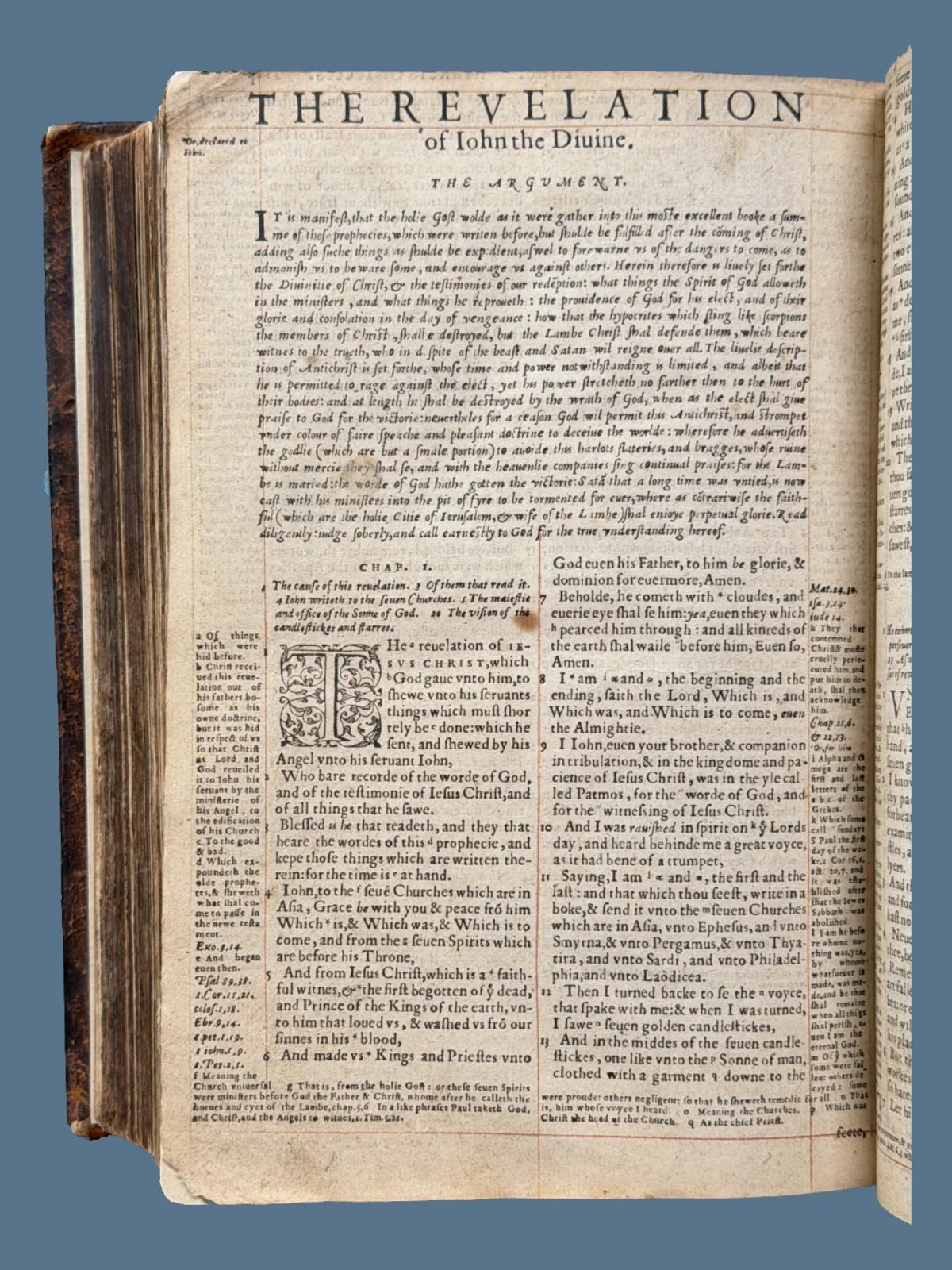 Image 20 of 24
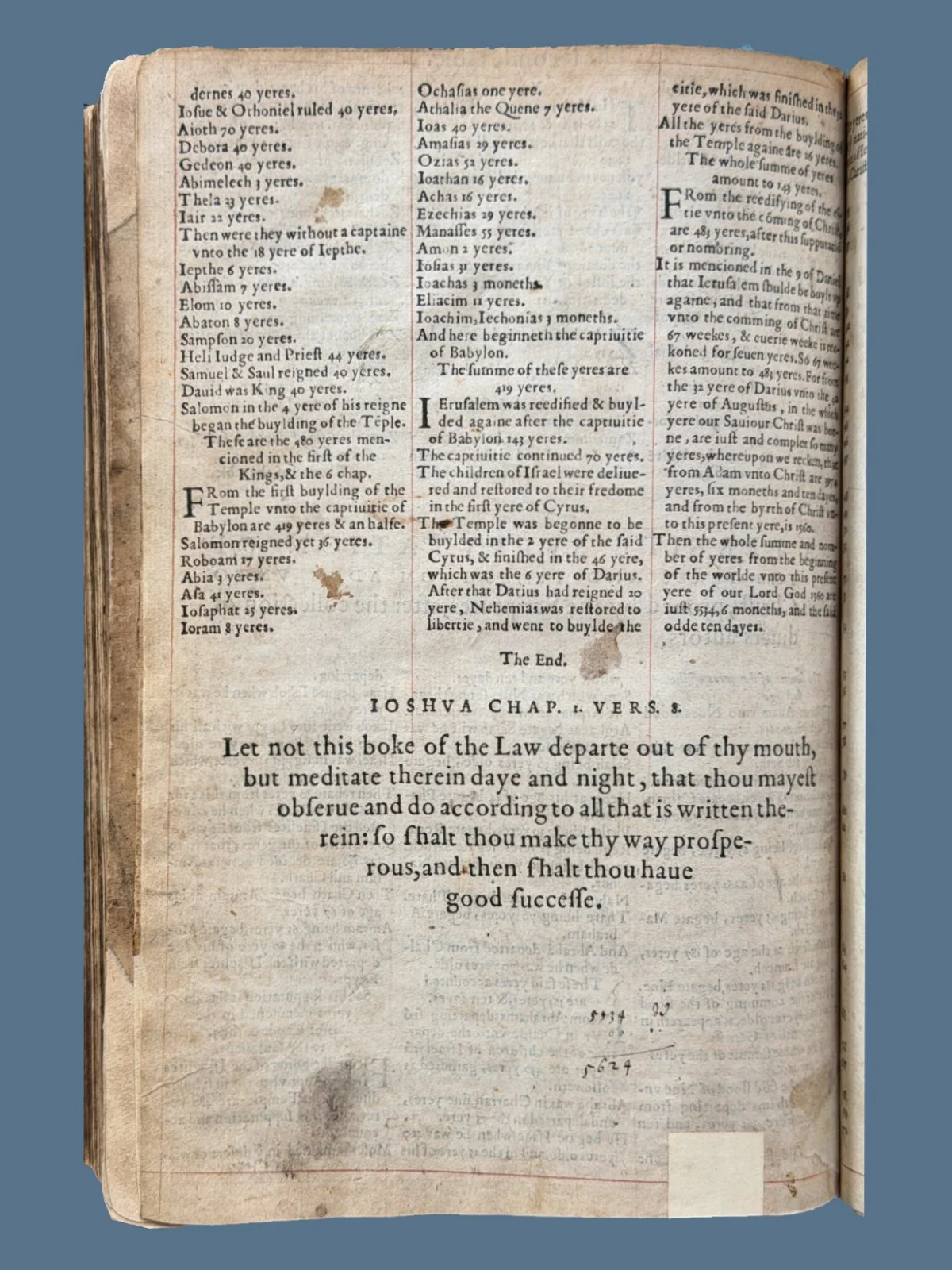 Image 21 of 24
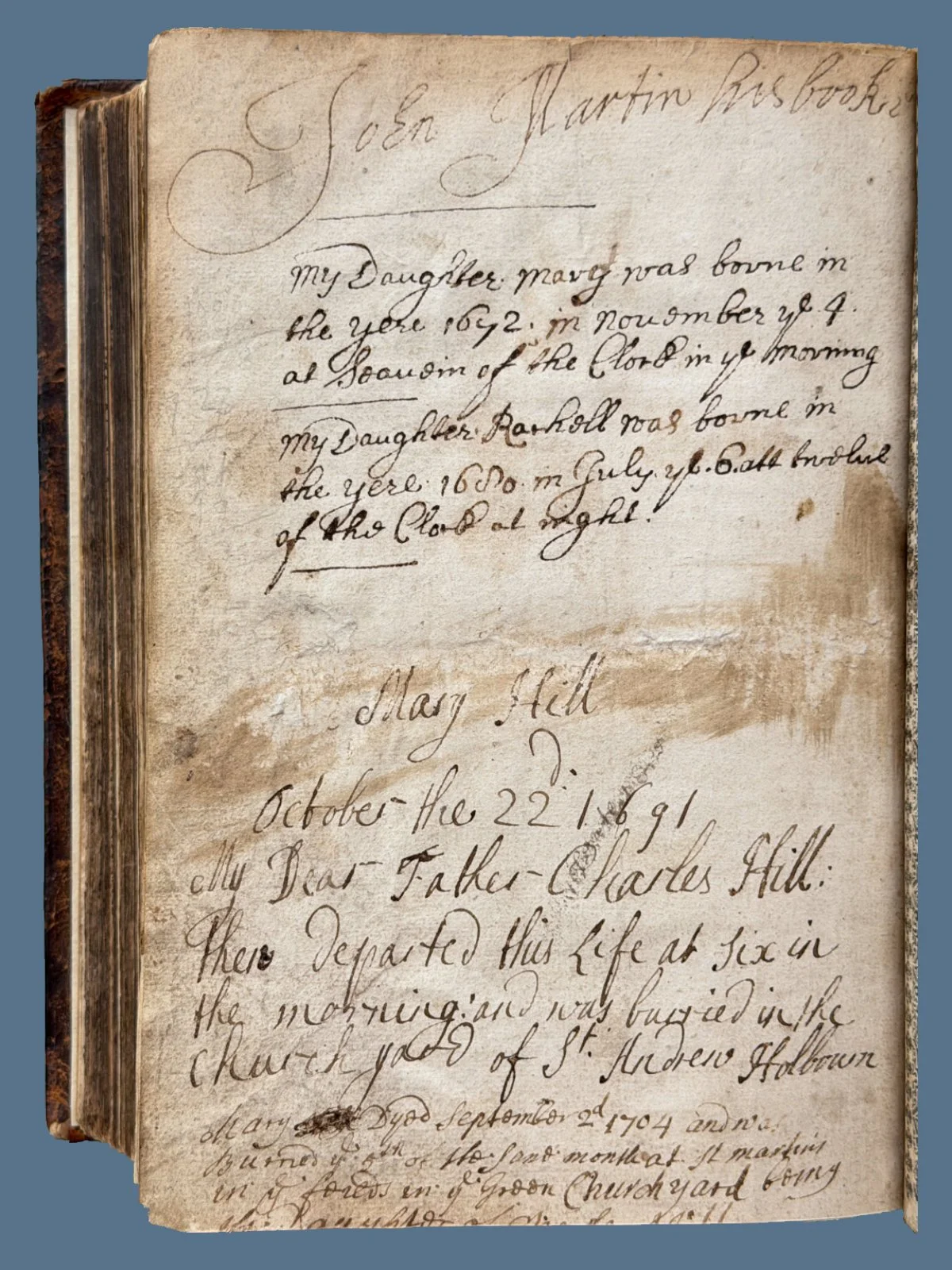 Image 22 of 24
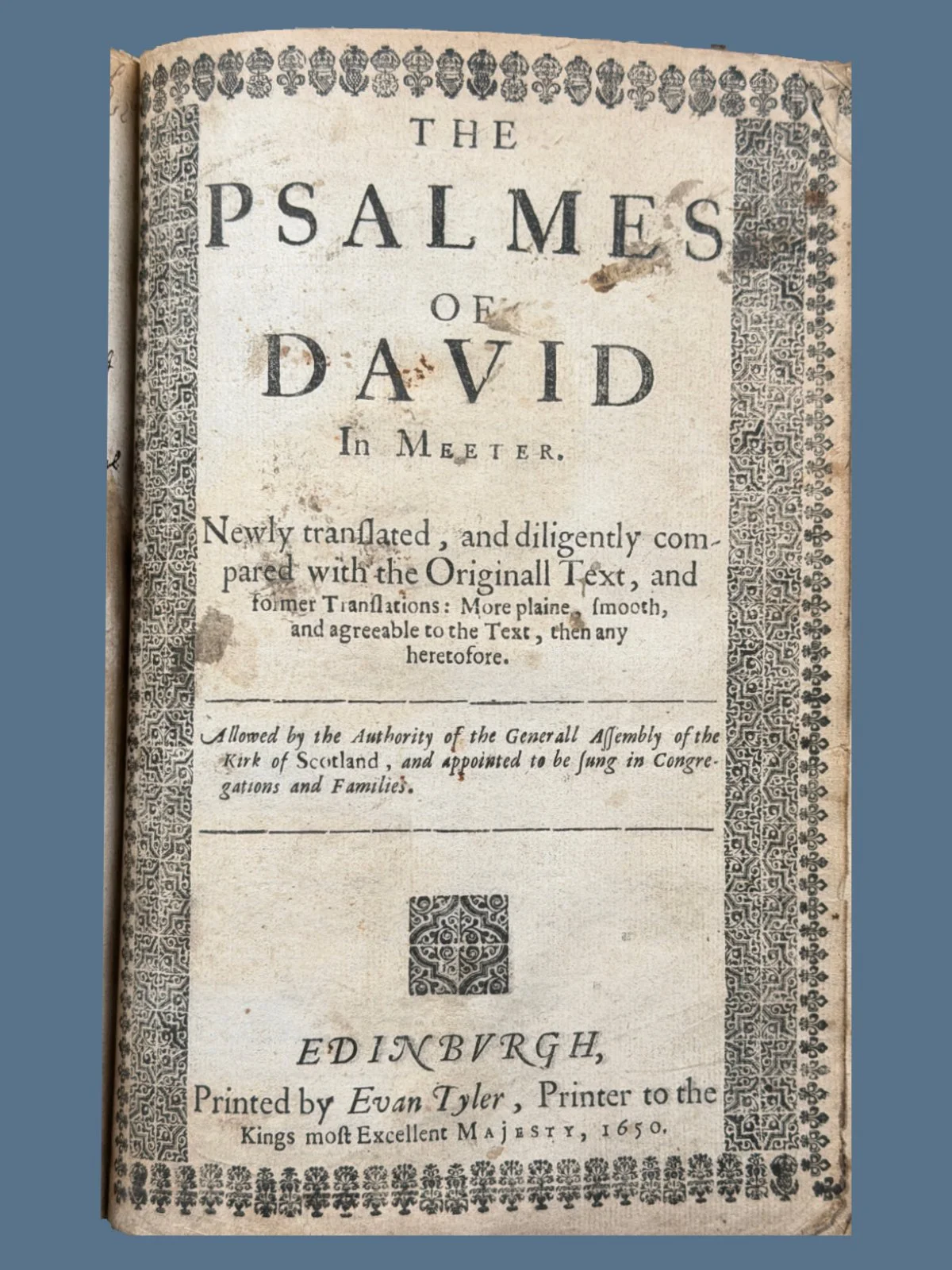 Image 23 of 24
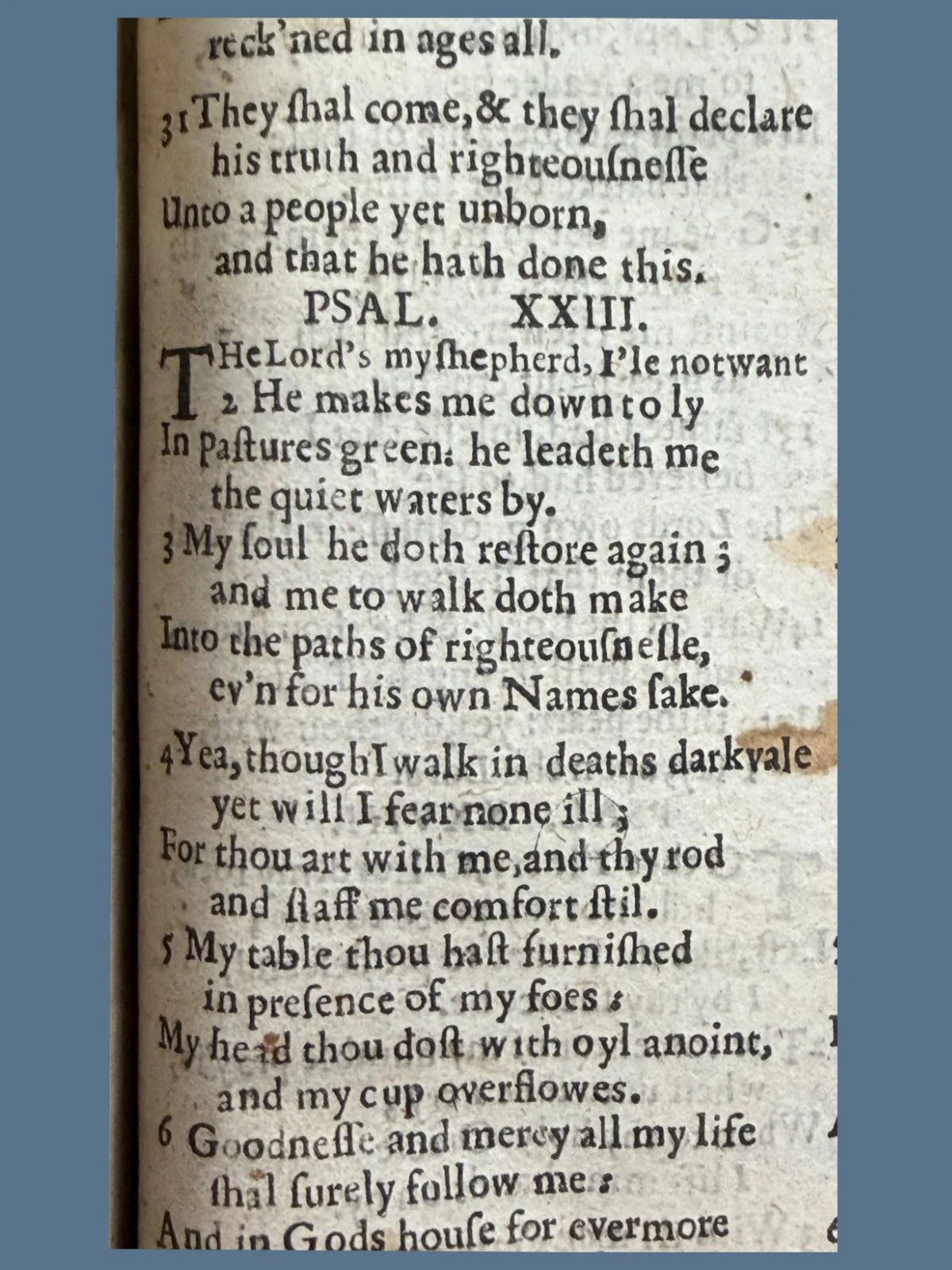 Image 24 of 24
[The Bible and Holy Scriptures Conteyned in The Olde and Newe Testament. Translated According to the Ebrew and Greke, and conferred with the best Translations in divers Languages. With Moste Profitable Annotations…]
Summary
The first edition of the Geneva Bible. Unrivaled for three generations, the Geneva translation produced by Marian exiles showed a distinct advance on its predecessors: Roman type, portable size, verse divisions, marginal study notes, and explanatory woodcuts. Its phrases find an echo in Scripture quotations from Shakespeare to Bunyan.
Description
General title page (1560) and prelims in facsimile. Text in two column Roman type, ruled in red throughout. Two double-page maps are present (‘The description of the holie land and other places mencioned in the foure Evangelistes’; ‘The description of the countreis and places mencioned in the Actes of the Apostles’) with the other three maps in facsimile. The font and woodcuts are both larger than the editions later printed in England. Apocrypha present as issued. New Testament title page (1560) with the woodcut of the crossing of the Red Sea. Concludes with the Two Tables and The Order of the Yeres. Bound with the first edition of the newly authorized 1650 Scottish Metrical Psalter: The Psalmes of David in Meeter printed by Evan Tyler in Edinburgh with title page (1650). First chapter woodcut initials throughout.
Collation
***^4(-***1-4, general title and prelims in facsimile), a-z^4, A-Z^4, Aa-Zz^4, &^6, Aaa-Zzz^4, Aaaa-Zzzz^4, Aaaaa-Bbbbb^4, Aa-Zz^4 (-Tt1, Romans 8:1-9:33 in facsimile), Aaa-Lll^4.
Binding
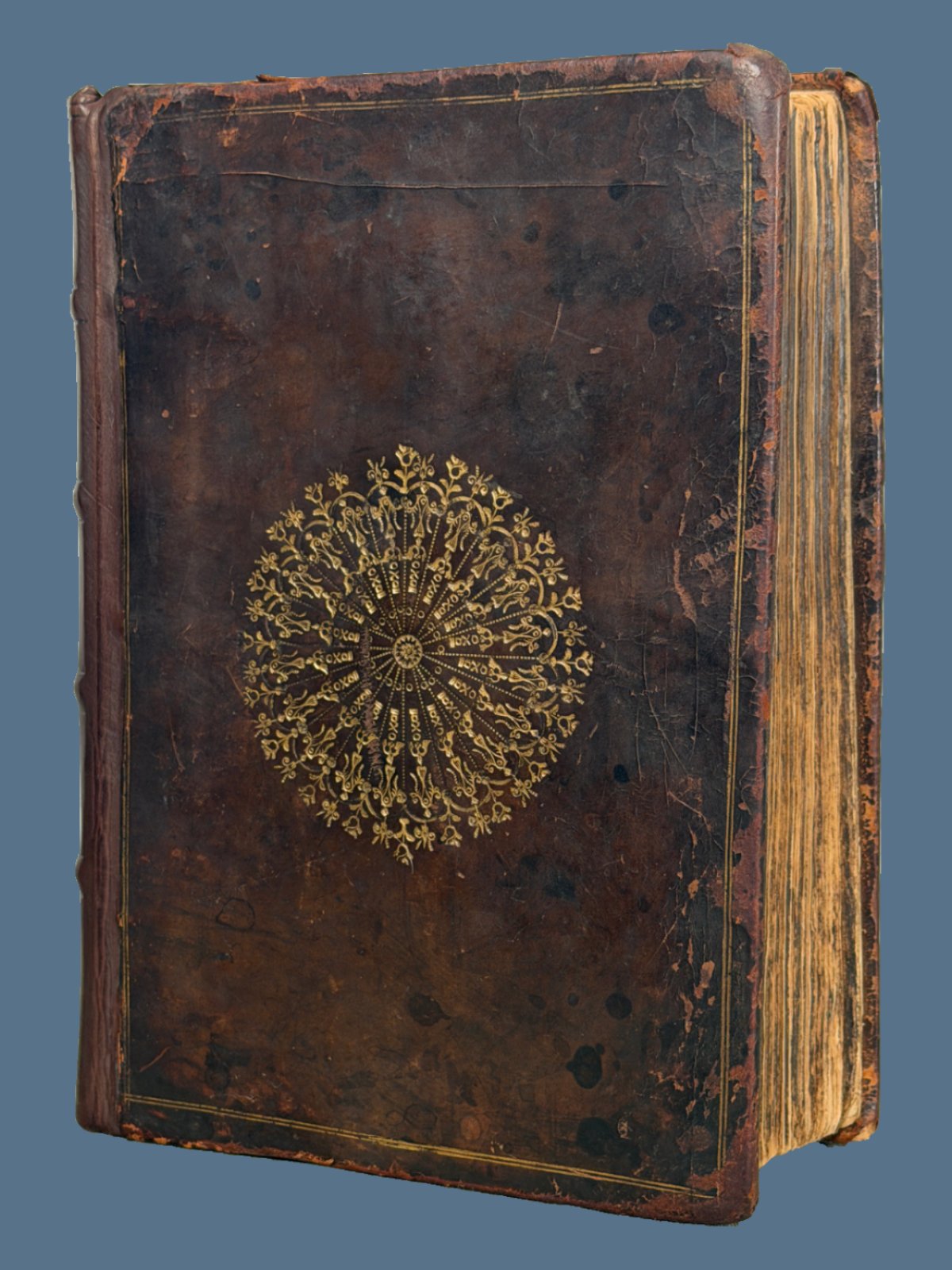
Attractive brown calf featuring an 18th-century Scottish wheel design. Covers bordered with gilt fillets and centered with a large circular gilt wheel composed of radiating floral and foliate tools around a central rosette. Rebacked in matching calf with four raised bands, blind tooling to compartments, and the words “Holy Bible” and “1560” lettered in gilt. Endpapers renewed. Corners slightly bumped.
Condition
First three leaves of Genesis strengthened to edges with loss to a few sidenotes of last two leaves; trimmed with headlines occasionally cropped; occasional soiling and staining; Ddd-Lll some repairs to lower corner, infrequently costing a few letters of sidenotes. NT title page lightly stained to fore-edge; upper corner repair to final few leaves of Tables.
Provenance
Contemporary ownership inscriptions “Deme Alesone Sandelandes”, repeated on the New Testament title-page and verso of the double-page map in John 20. This Bible’s first owner is likely Dame Alison Sandilands (d. 1584), Lady Ormiston, a member of the prominent Sandilands family of Calder and wife of John Cockburn of Ormiston, one of the early supporters of the Scottish Reformation. The Ormiston household stood close to the circle of John Knox: Knox served as tutor to Alison’s son Alexander Cockburn, while the Protestant martyr George Wishart was sheltered at Ormiston shortly before his arrest in 1546. Alison herself participated in the circulation and preservation of Reformation writings, and Henry Balnaves’ Confession of Faith was dedicated to her when published in 1584.
Later 17th-century family records to verso of The Order of the Yeres include births in 1672 and 1676, the ownership inscription of Mary Hill, and a record of the death of her father Charles Hill on 22 October 1691.”
Note
First edition of the Geneva Bible, the most important and widely read English Bible for more than a century. Produced by English Protestant exiles who had fled Marian persecution for Geneva, it was the first complete English Bible translated directly from the original biblical languages, and the first English Bible printed in roman type and with verse divisions. Designed as a portable and readable Bible for everyday devotion and study, its title page departed from the elaborate woodcut designs of earlier English Bibles such as the Coverdale, Matthew’s, and Great Bibles, instead featuring a modest image of the Israelites trapped at the Red Sea. Hemmed in by the sea, mountains, and the pursuing Egyptian army, the Israelites turn to God for deliverance, a scene that invites readers to see a parallel between Israel’s bondage and the plight of the persecuted English church in exile, awaiting God’s deliverance and the opportunity to return home. The Geneva Bible quickly became the Bible of the English Protestant household and retained its popular preeminence until its gradual suppression and displacement following the introduction of the King James Version in 1611.
Bound with the first edition of the newly translated metrical Psalter authorized by the General Assembly of the Church of Scotland, containing the enduring Scottish version of Psalm 23, beginning, “The Lord’s my shepherd, I’ll not want.”
References
Herbert 107; USTC 450496; Luborsky 2108; PMM 83 (Bible); ESTC R39597 (Psalter).